

Learning Methods9 min
How Long Does It Take to Form a Study Habit?
What the 66-day habit study actually means, plus practical ways to start small, return after missed days, and build a study routine around familiar cues.
Insights on AI technology, cognitive science, and learning methods.
What the 66-day habit study actually means, plus practical ways to start small, return after missed days, and build a study routine around familiar cues.
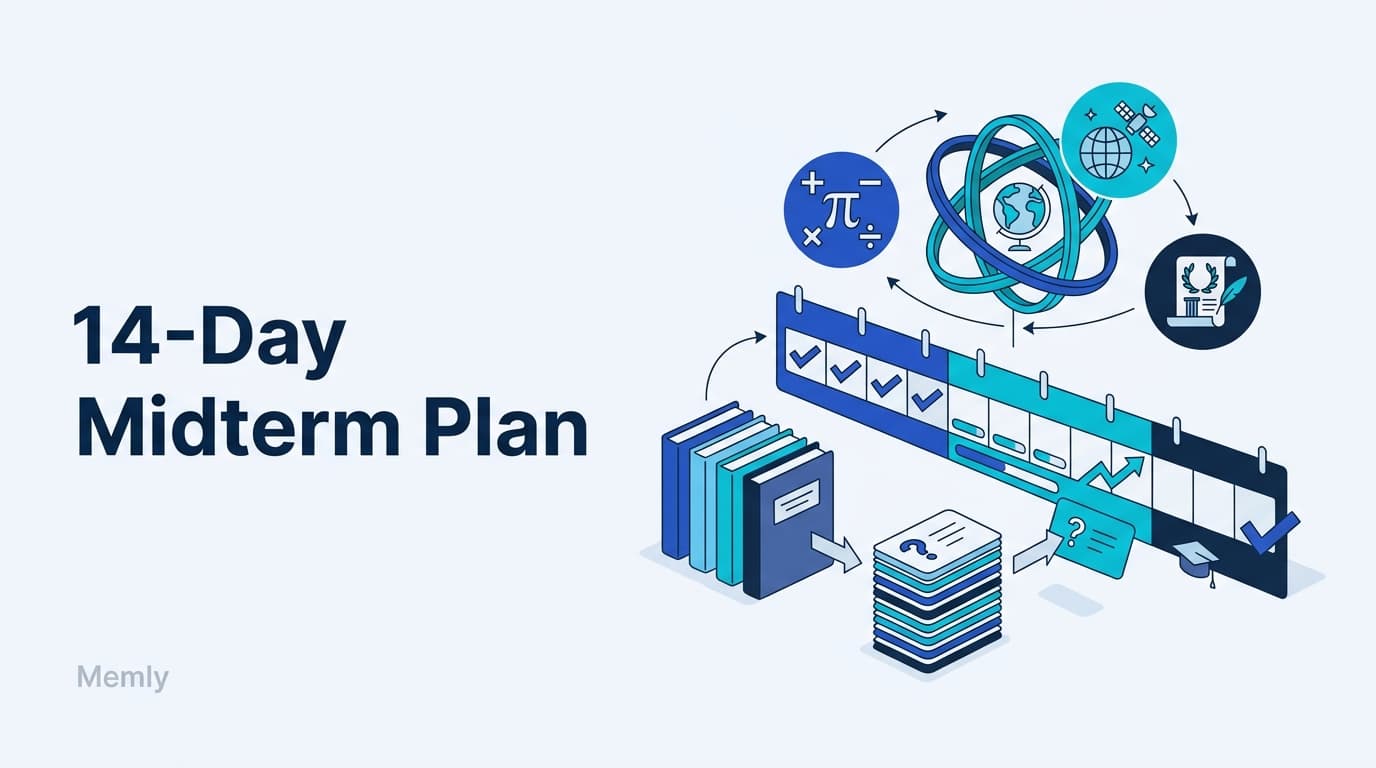
Plan two weeks of midterm prep with key-topic flashcards, retrieval practice, and problem sets. Adjust subject priorities to exam dates and your weak areas.
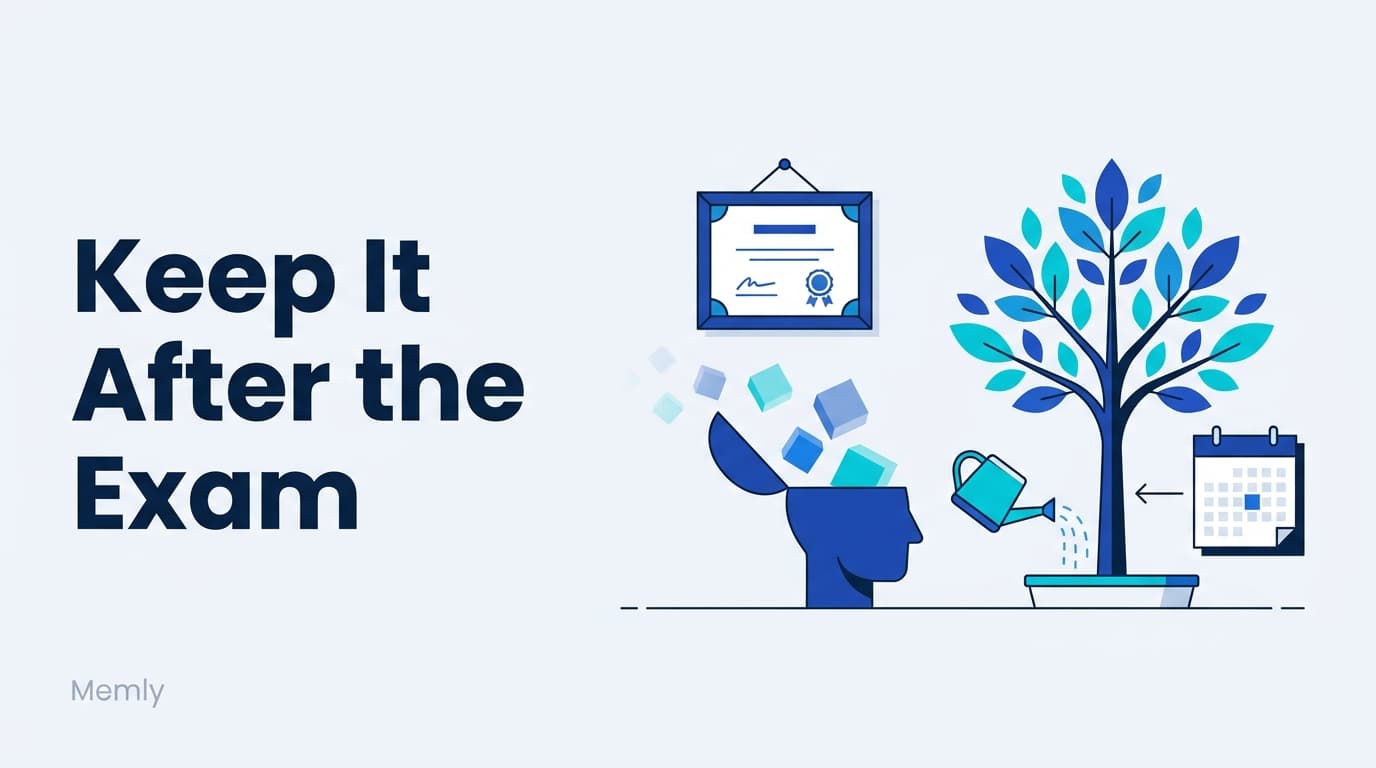
Keep useful exam knowledge with spaced review. Learn what to retain, how to adjust your workload, and how to connect it to future study or work.
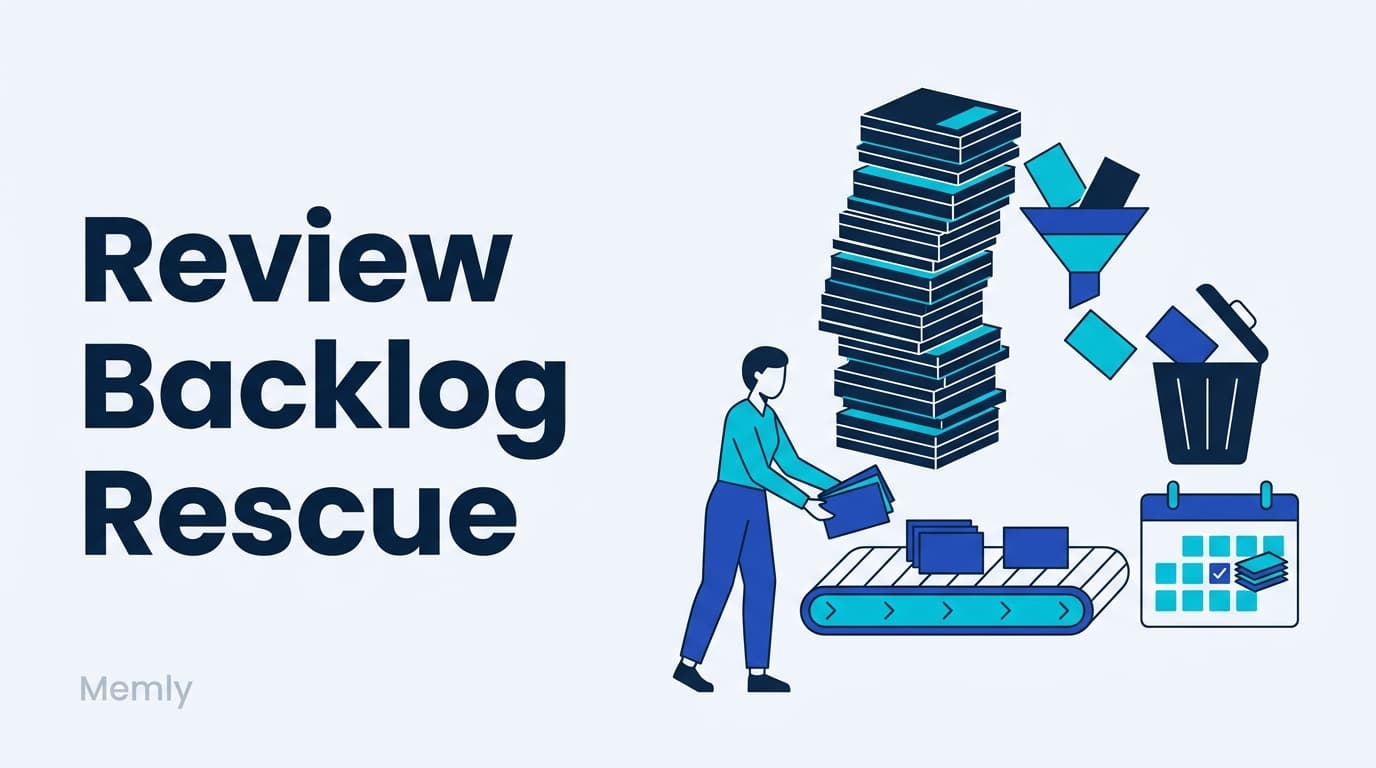
Overdue flashcards piling up? Set a daily limit, prioritize important decks, reduce new cards, and restart with a manageable review session.
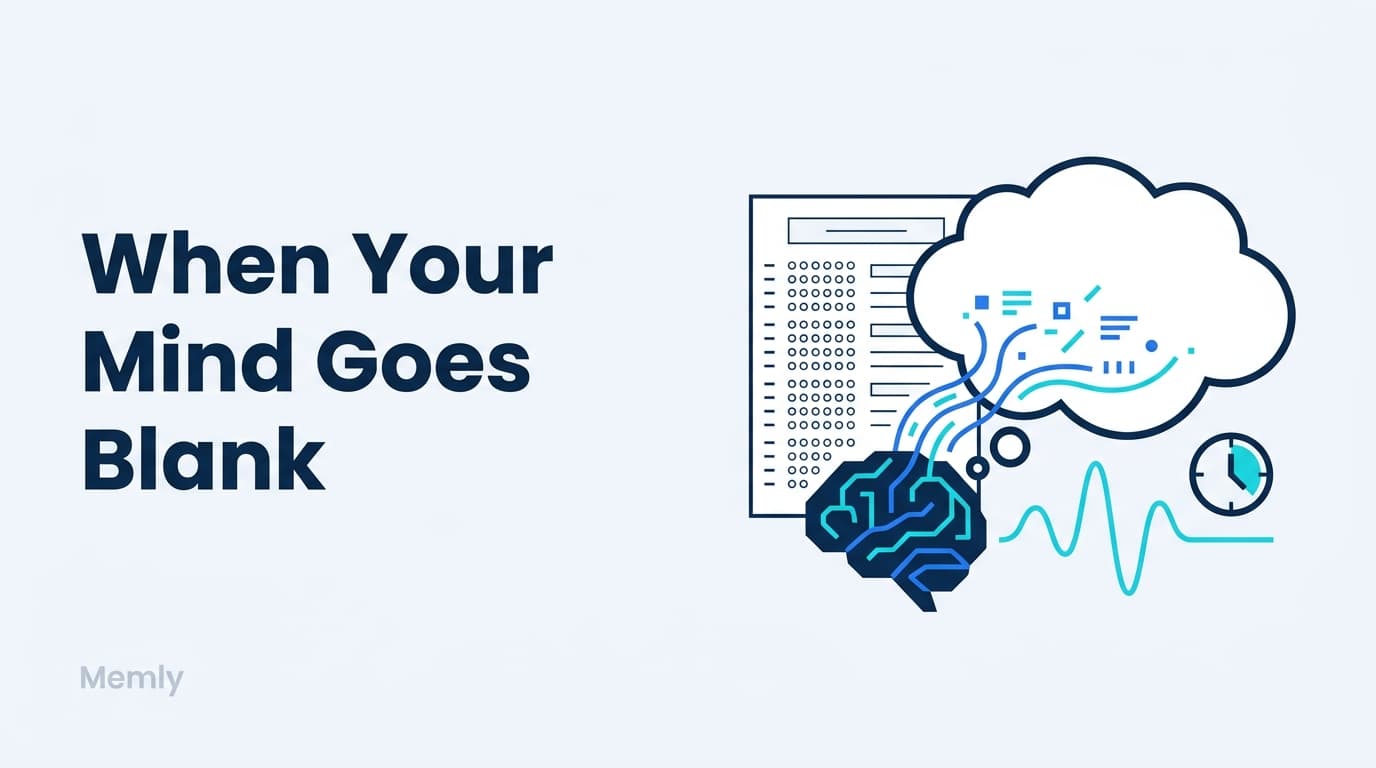
Learn how to prepare for exam pressure and what to try when your mind goes blank: skip the question, breathe slowly, and restart with an easier one.
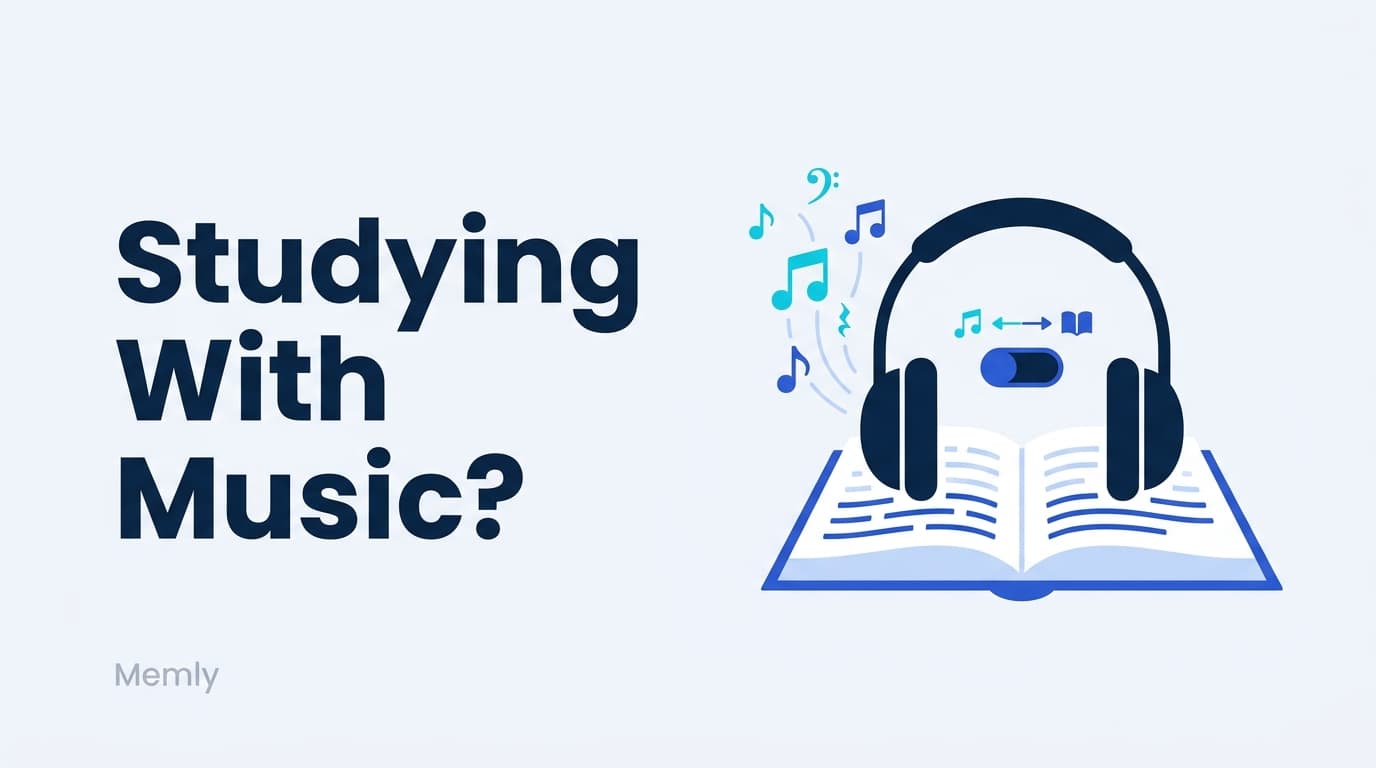
Does music help you study? It depends on the task. Lyrics compete with verbal memorization, routine review tolerates instrumentals, and one fixed song makes the best launch ritual.

Your study tracker climbs but your grades do not, because hours and pages are attendance metrics. Track successful recalls instead, and let FSRS keep the review log automatically.
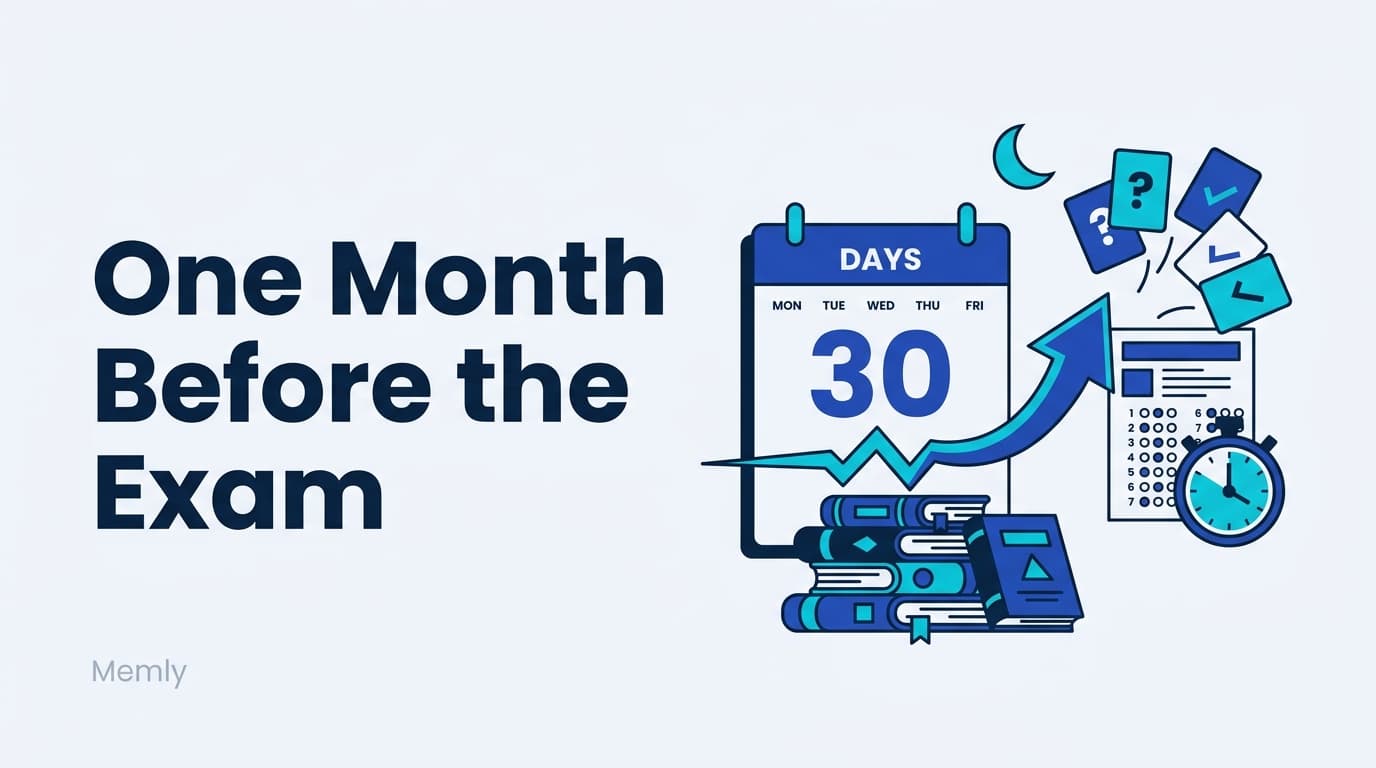
With 30 days left: freeze new material, card what stays, drill past papers under exam conditions, then spend the final week on weak cards and sleep.
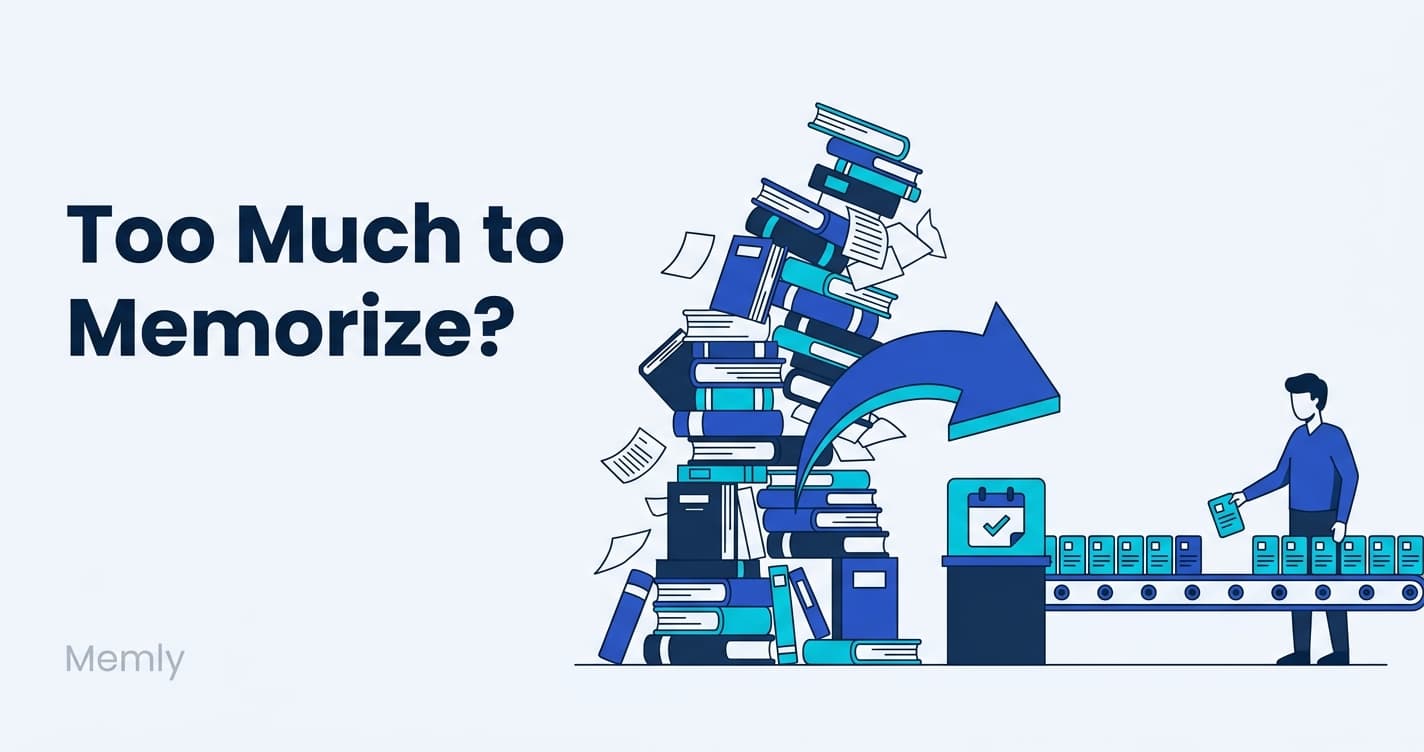
Overwhelm is a queue problem, not a capacity problem. Shrink units to one fact per card, triage what enters, and let spaced repetition serve only today's pile.
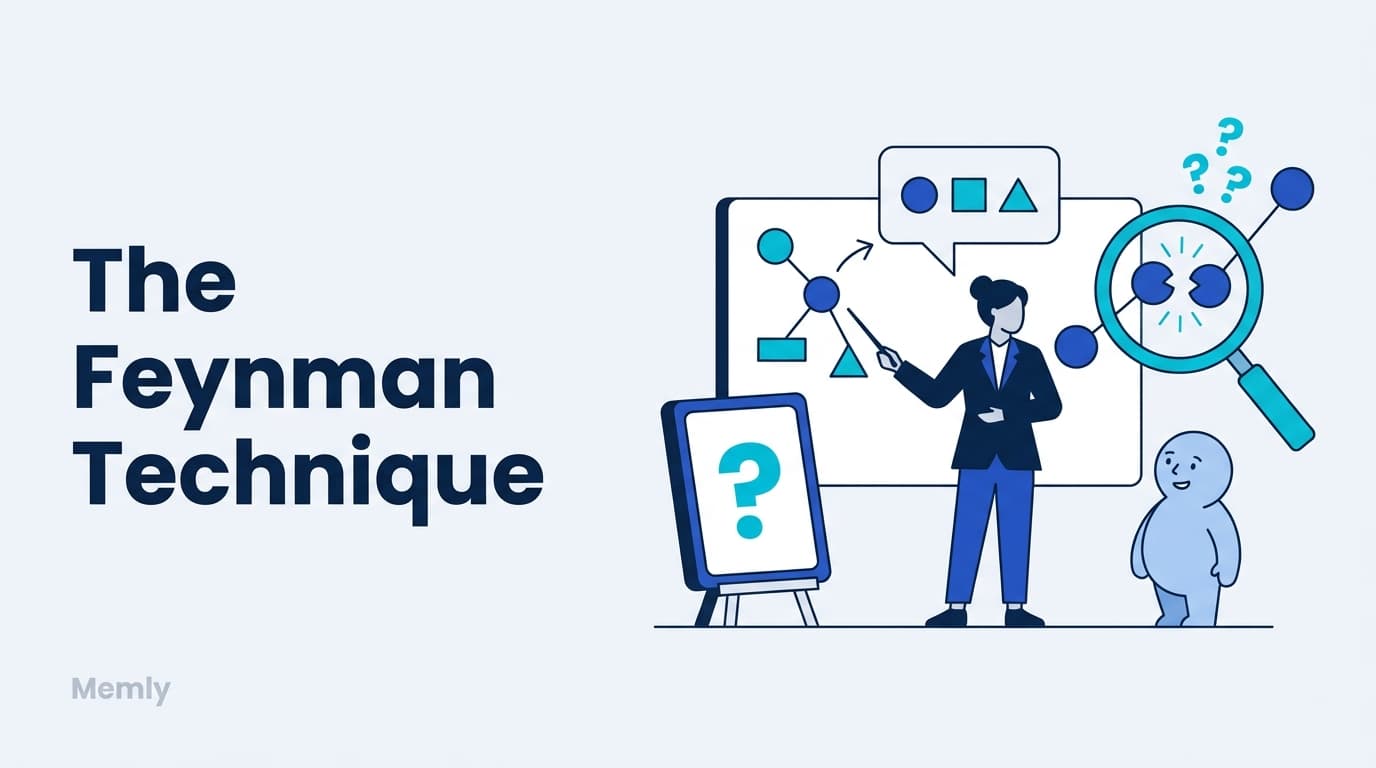
The Feynman Technique in 4 steps: pick a concept, explain it plainly, mark the stumbles, retry. Why explaining beats rereading, and how flashcards keep the gains from fading.
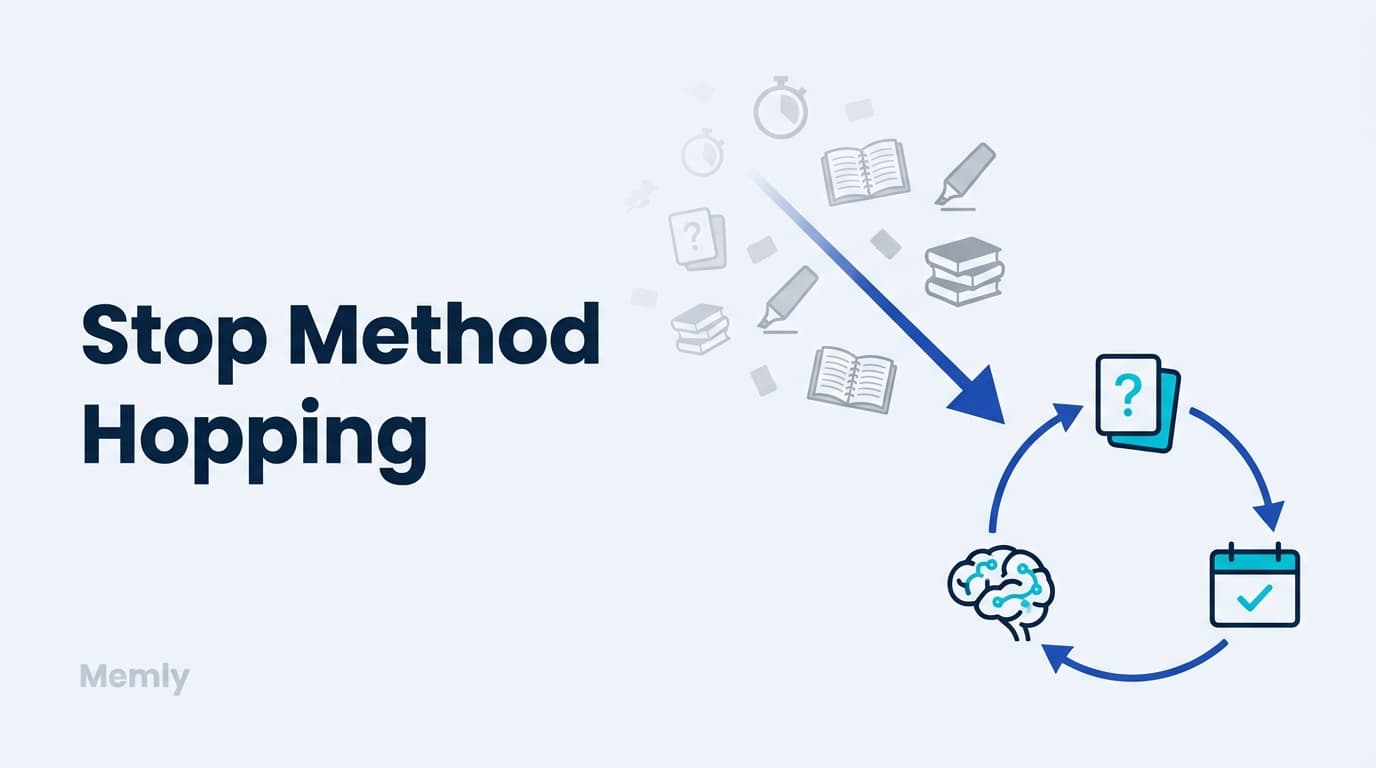
Endless method-shopping is procrastination in disguise. Most of the gain comes from retrieval and spacing, so run the default stack and don't switch for two weeks.
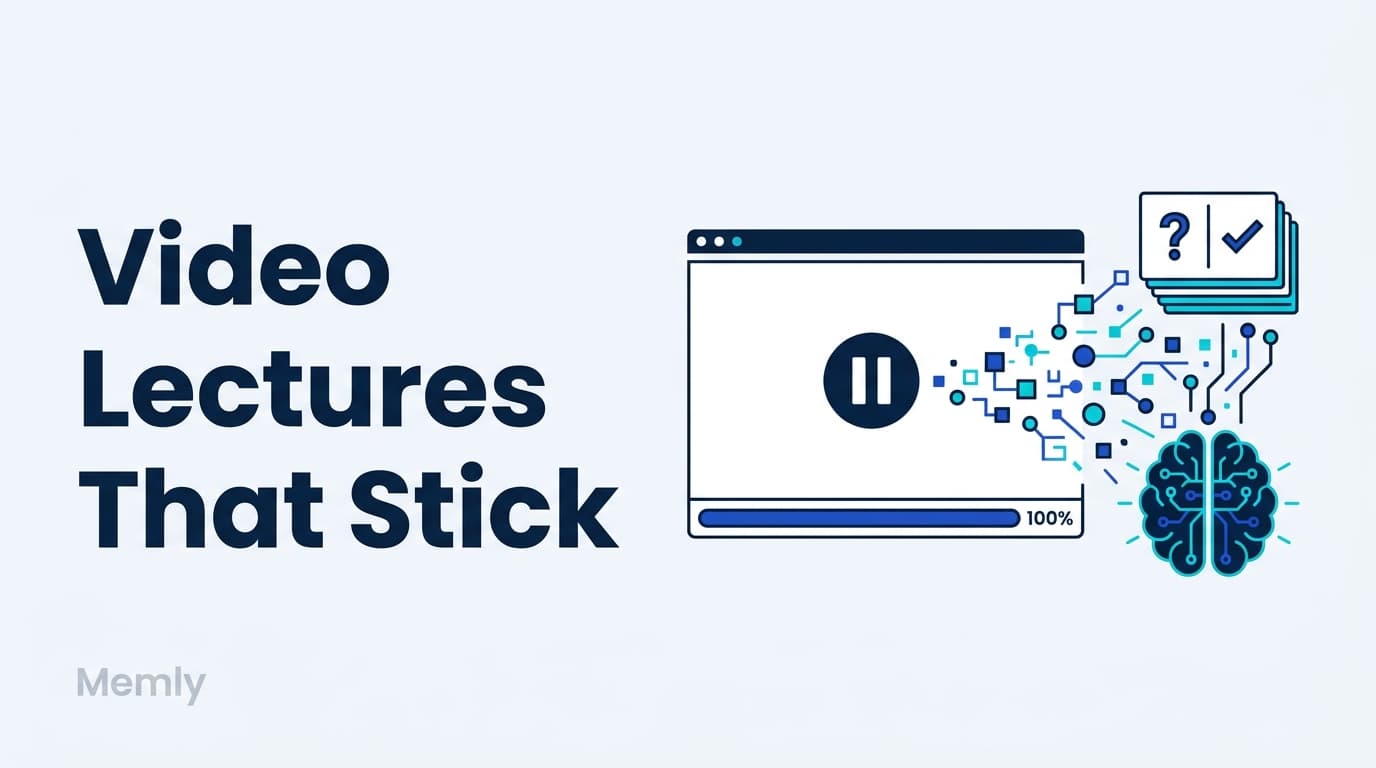
Video is the smoothest input ever made, so watching maximizes the feeling of understanding, not memory. Watch in segments, pause to recall, and card it the same day.
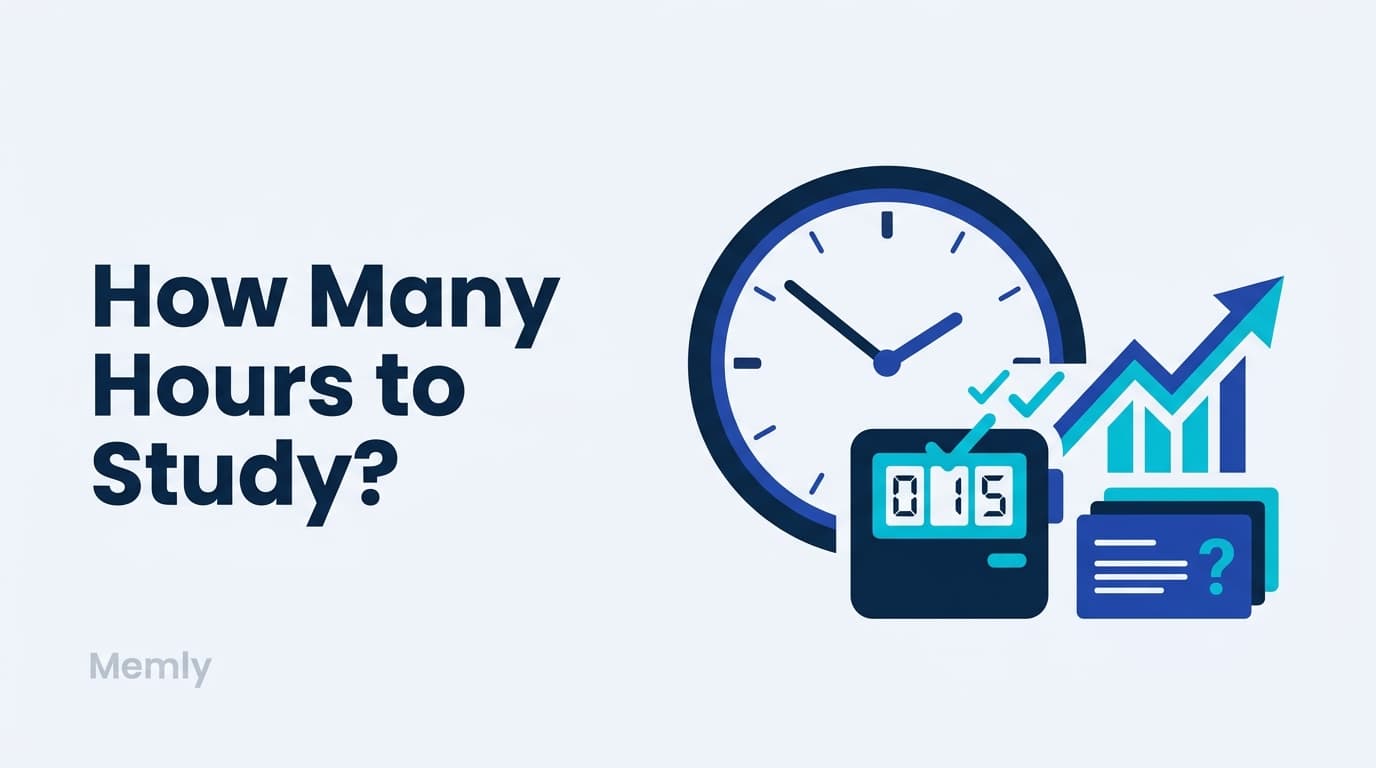
There is no magic number of study hours. Guides: 1-2 hours in term time, 2-4 the month before an exam. What predicts scores is retrieval density, and how to track it.
No magic number exists: 3 to 5 successful recalls at expanding intervals stabilize most facts. Why counting passes fails, and how FSRS counts it for you.
Word-for-word scripts collapse when one word slips. Memorize a keyword skeleton, order it with a memory palace, and rehearse by spaced recall over days.
Naked digits mean nothing, so they vanish. Chunking, reason-linking, and mnemonics get numbers in; spaced retrieval keeps dates, stats, and deadlines alive.
Rereading statutes builds fluency, not recall. Turn provisions into element-and-effect cards, separate confusable rules, and let FSRS maintain them to exam day.
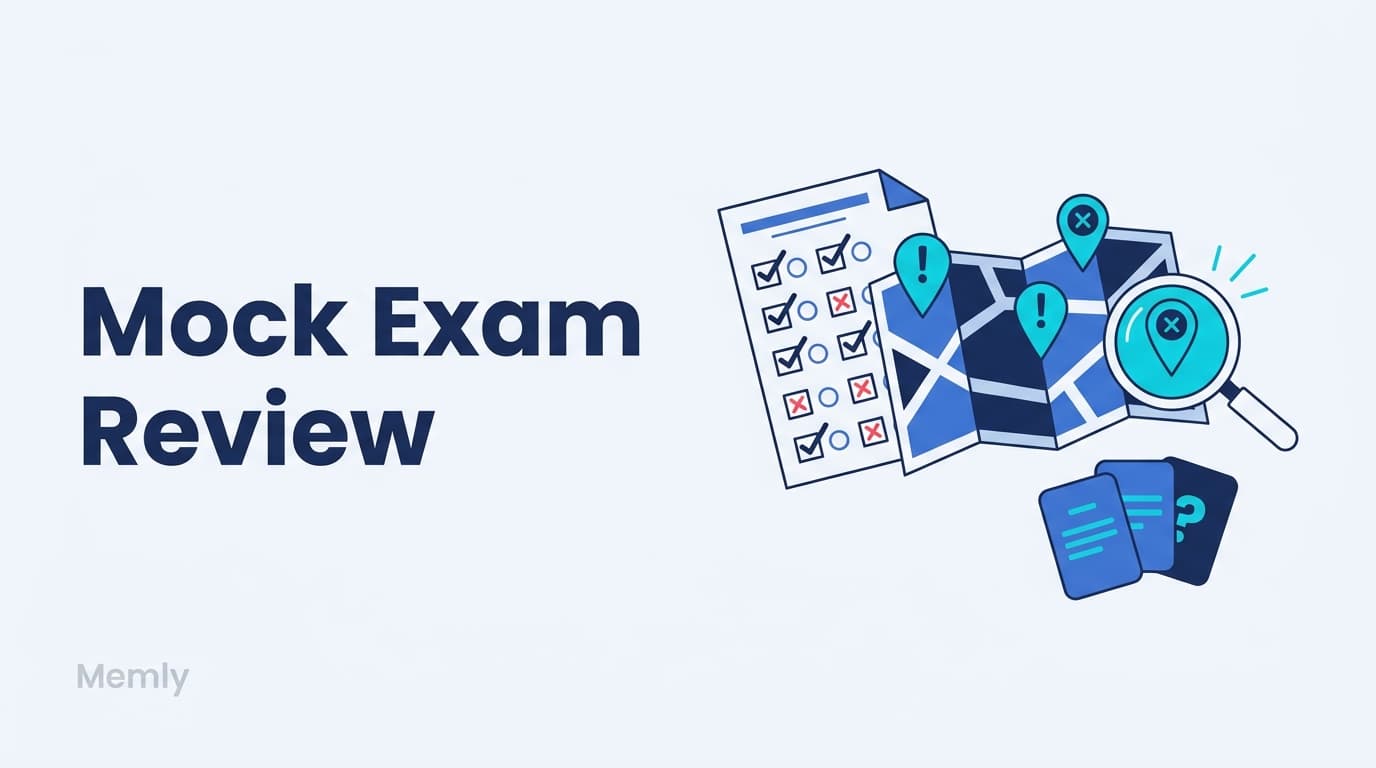
A mock exam's score is noise; the miss breakdown is your freshest diagnostic. Classify every miss, card the knowledge gaps, and re-solve in two weeks.
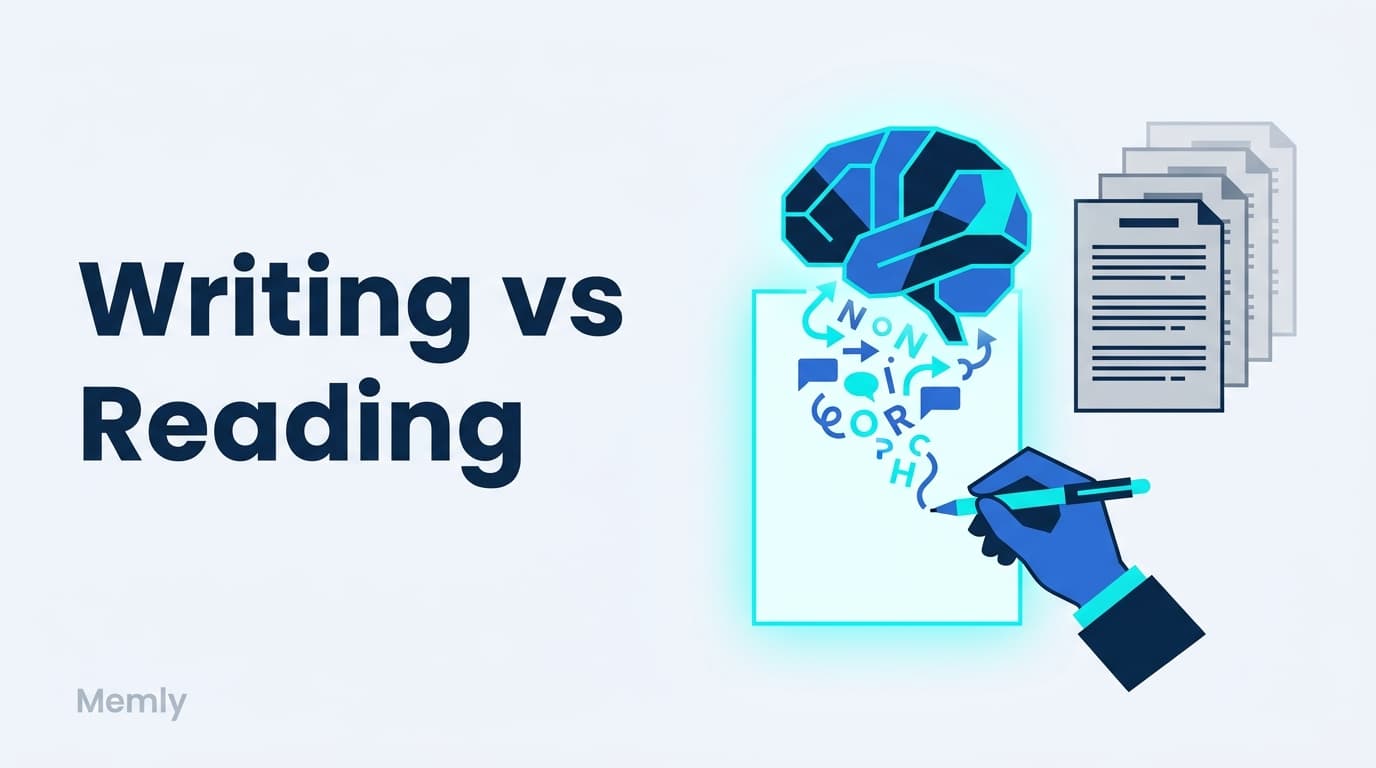
Writing can support note-taking and spelling practice. For memorization, compare copying with writing from memory and checking your answer.
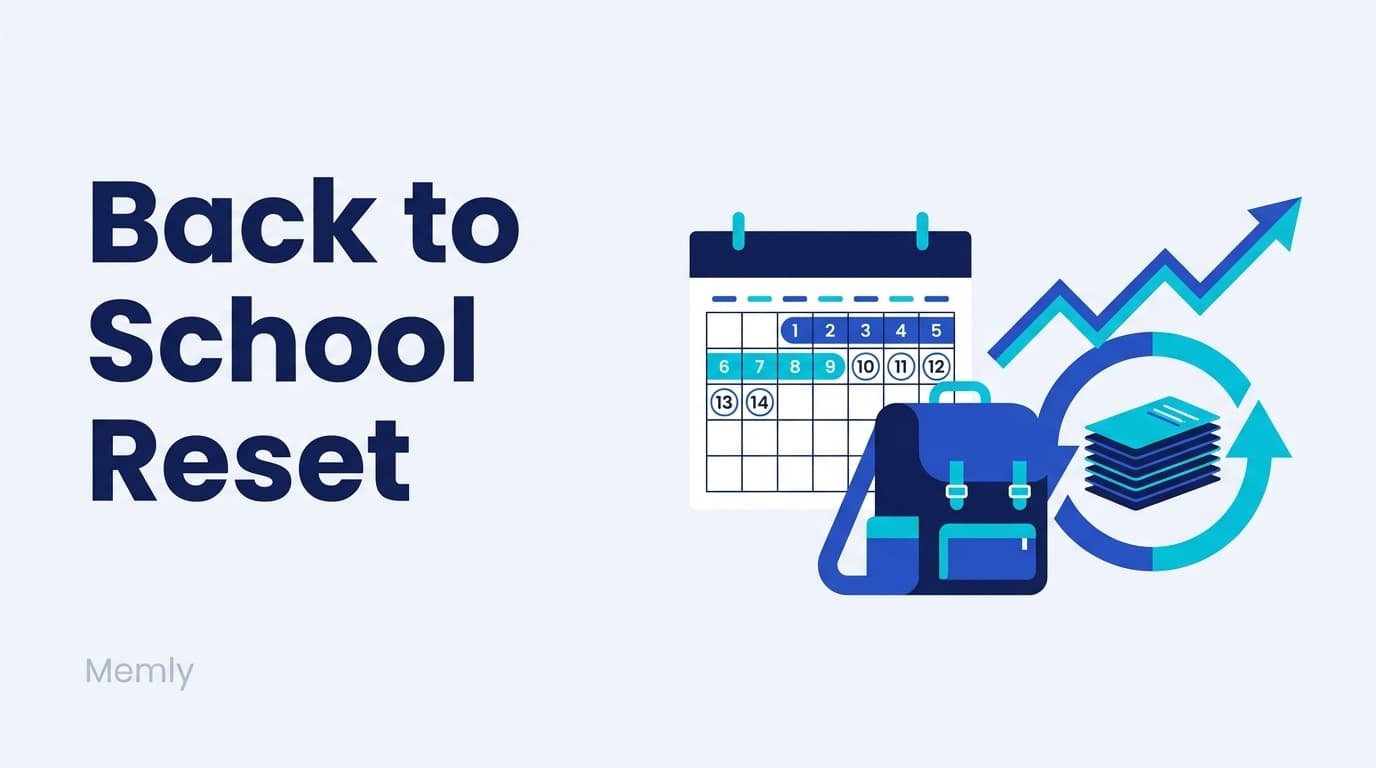
The semester is set in the first two light weeks: rescue summer knowledge with a re-test pass, then install the ten-minute lecture-day flashcard habit.
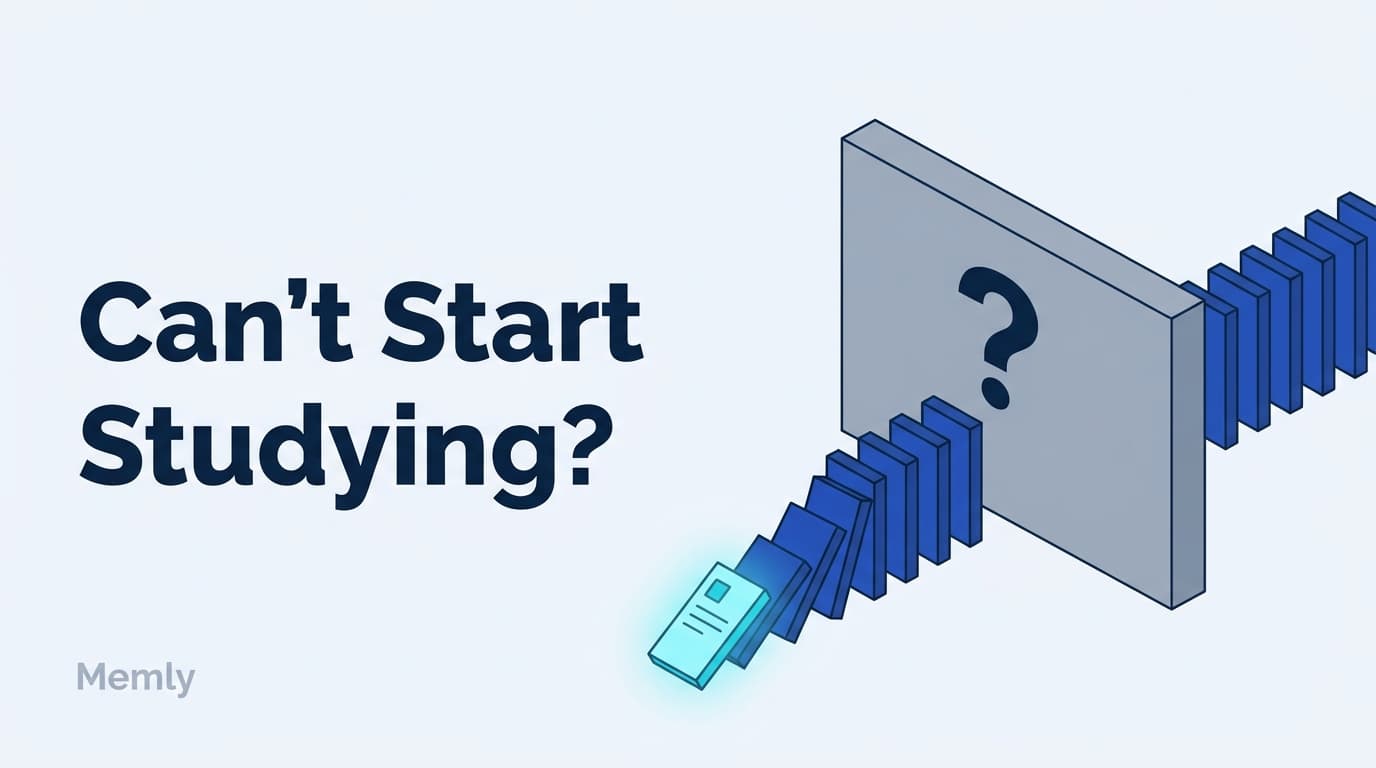
Procrastination is not weak will: vague tasks pile up decision costs. Shrink the first action to one flashcard and let FSRS decide what to study.
Adult memory struggles come mostly from conditions: fragmented time, interference, and rusty retrieval. How to redesign studying and use the adult advantage.
Three months out is the last window where spaced repetition works at full power. The 90-day reverse plan: card everything, hunt weak points, then past papers.
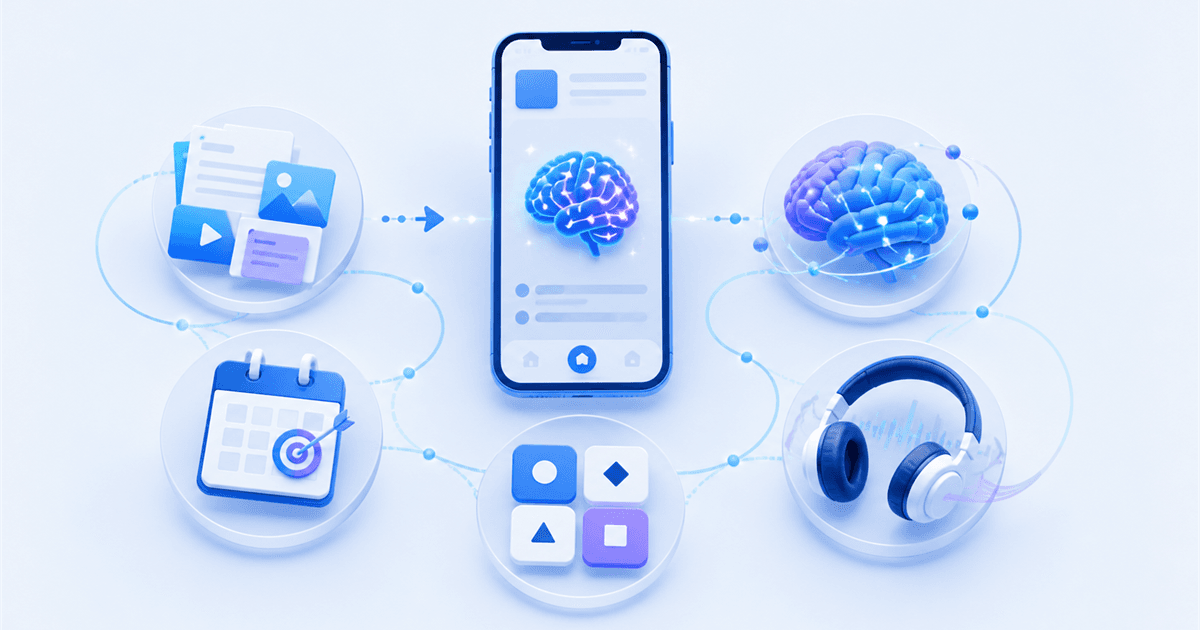
Memly 2.0 turns study materials into flashcards with artificial intelligence (AI), finds cards you may forget, plans exam reviews, and tracks progress.

Choose the PDF pages or PowerPoint slides you need, or add Word files and images. Memly's artificial intelligence (AI) uses only that material to create flashcards you can check before saving.
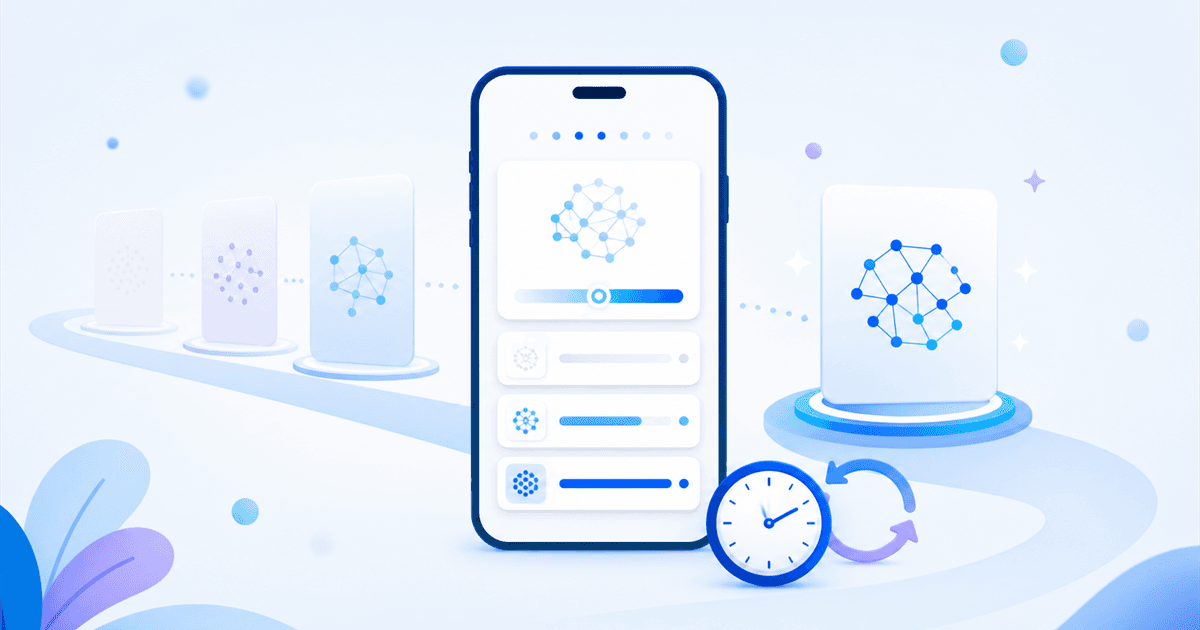
Find cards that Memly estimates you are less than 90% or 80% likely to remember, then use the dashboard and card library to decide what to review first.
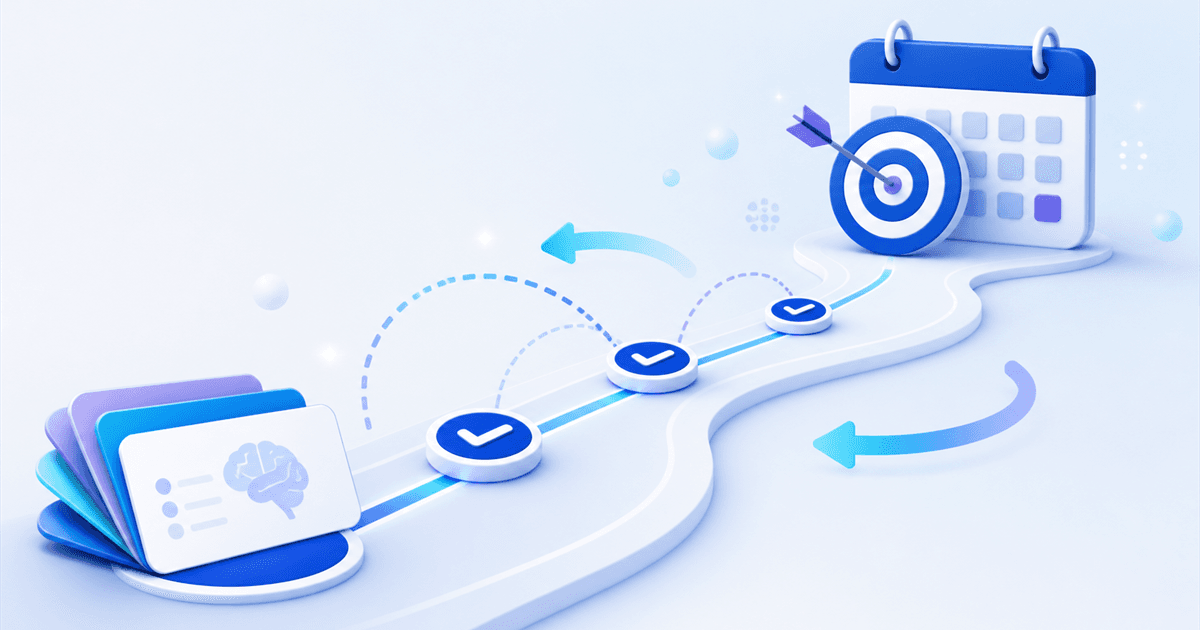
Add your exam date and choose how likely you want to be to remember each group of cards. Memly brings reviews forward and focuses on cards you may forget by exam day.
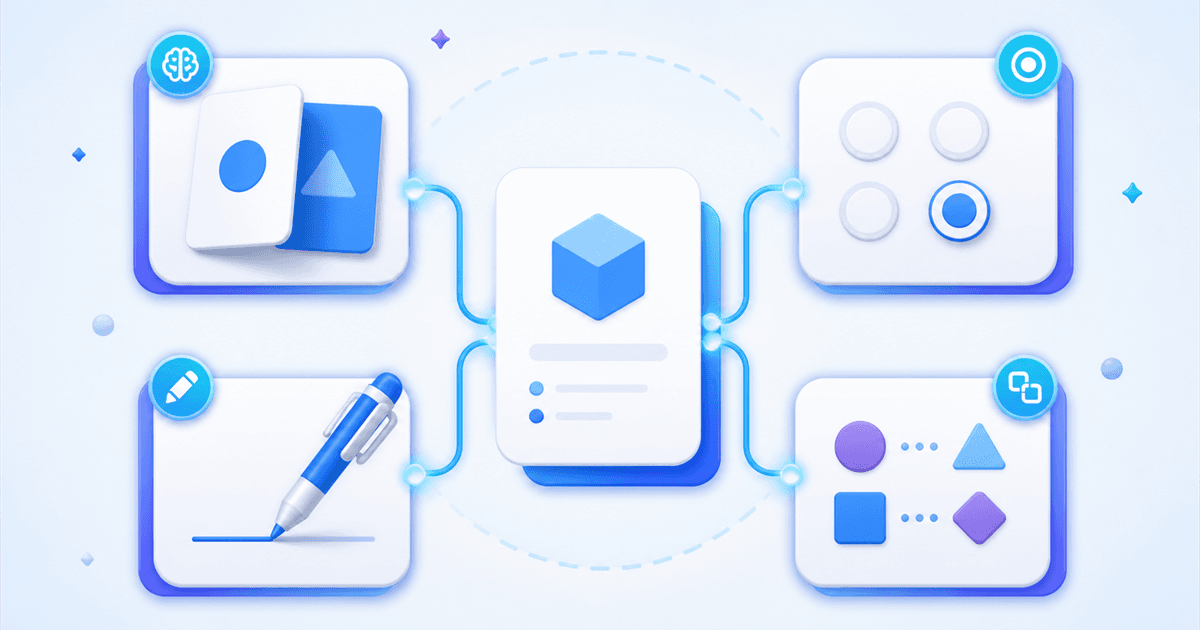
Compare answering from memory, multiple choice, true or false, and Quick Review, which shows both sides automatically. You can also edit cards without leaving your review.

Listen to one card, play a group of cards hands-free, or download a Review Radio audio program on supported phones.
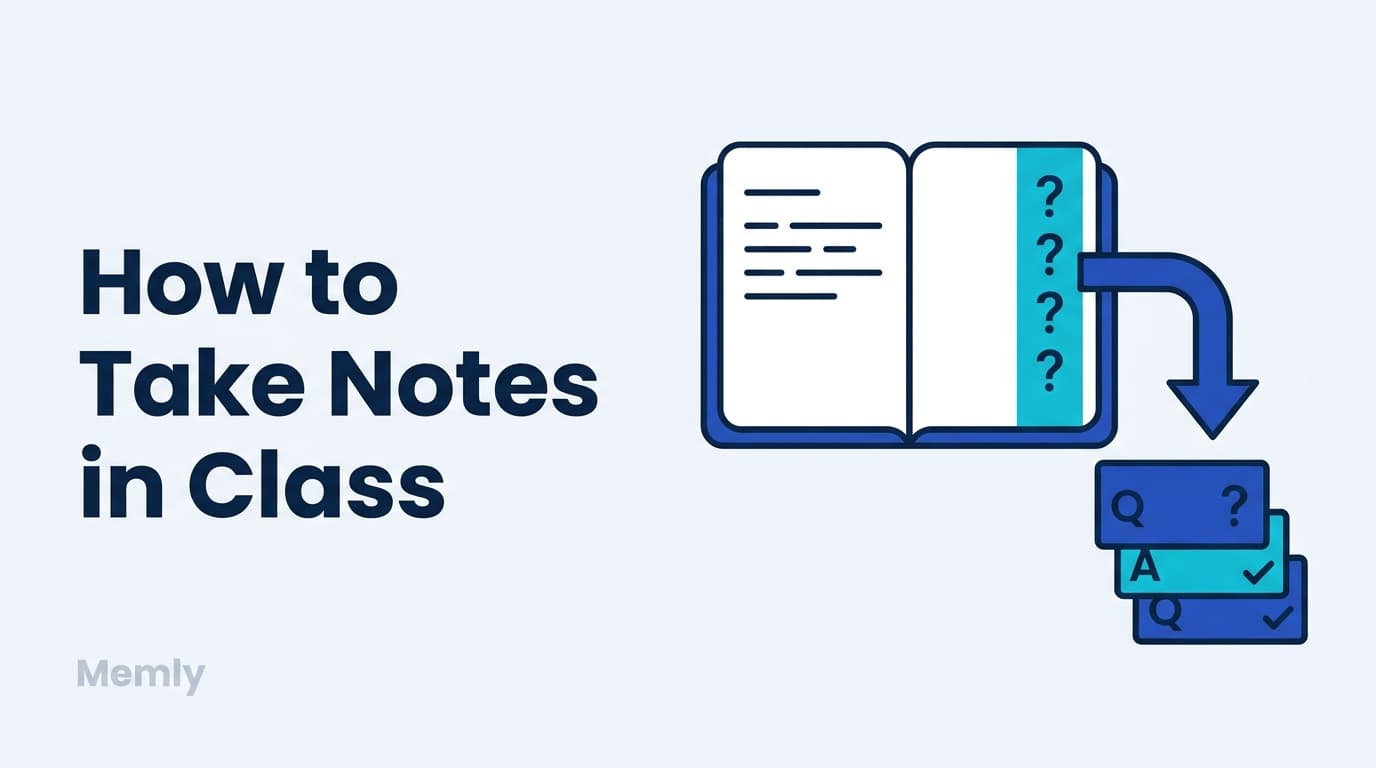
Notes are scaffolding for retrieval, not a transcript. What to capture in class, what to skip, and the 10-minute card conversion that makes notes stick.
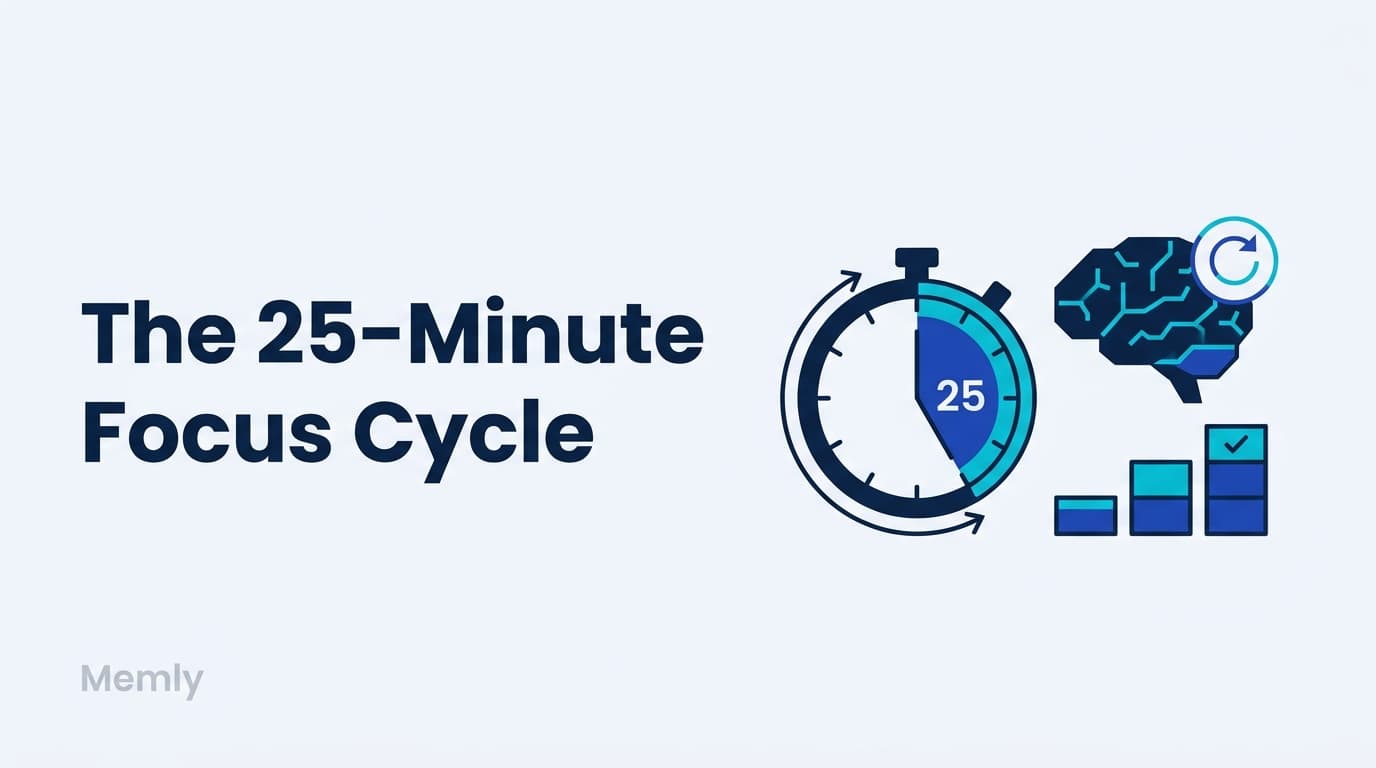
Attention depletes and rereading takes over. Split study into 25-minute cycles that open with a two-minute recall warmup, so every cycle starts in active mode.
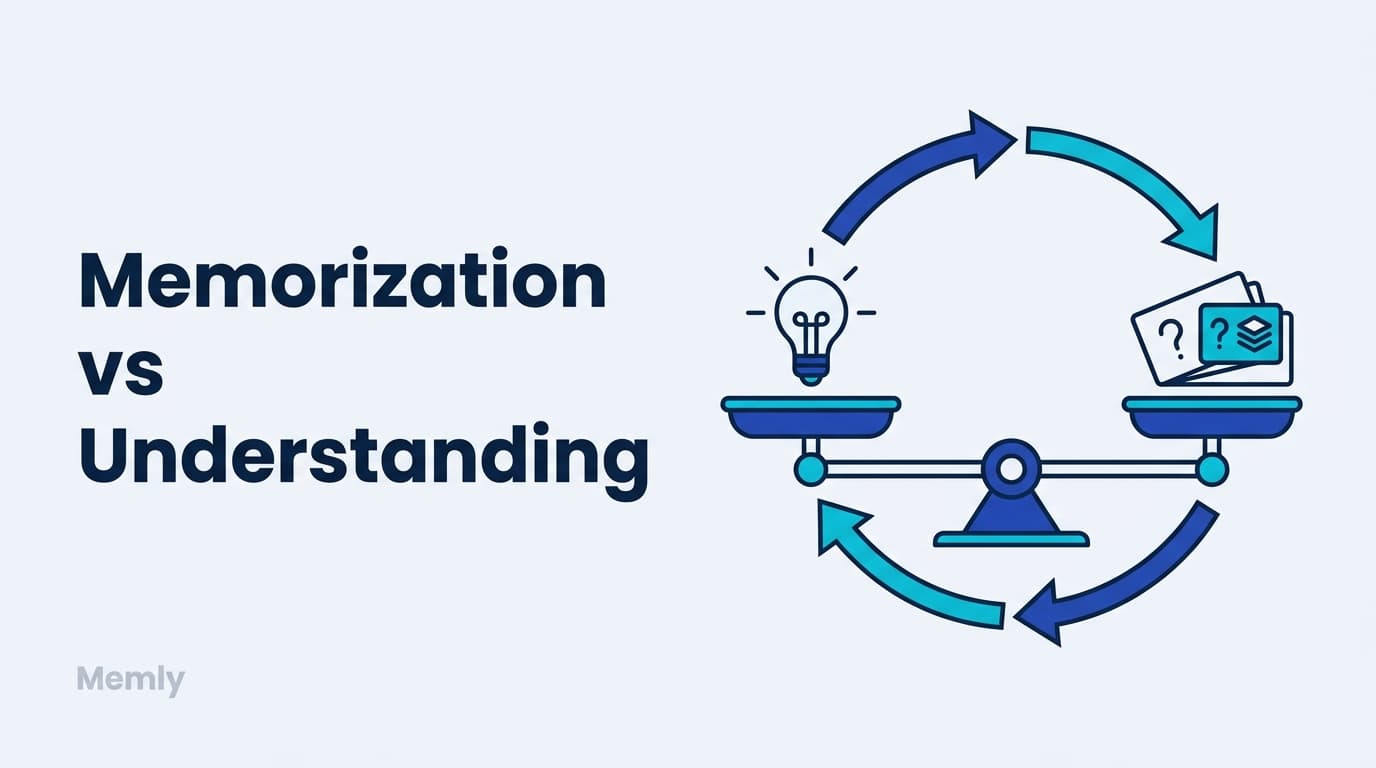
Rote collapses on applied questions; understanding alone evaporates. The four-step loop of understand, encode, recall, and use, with the right mix per subject.
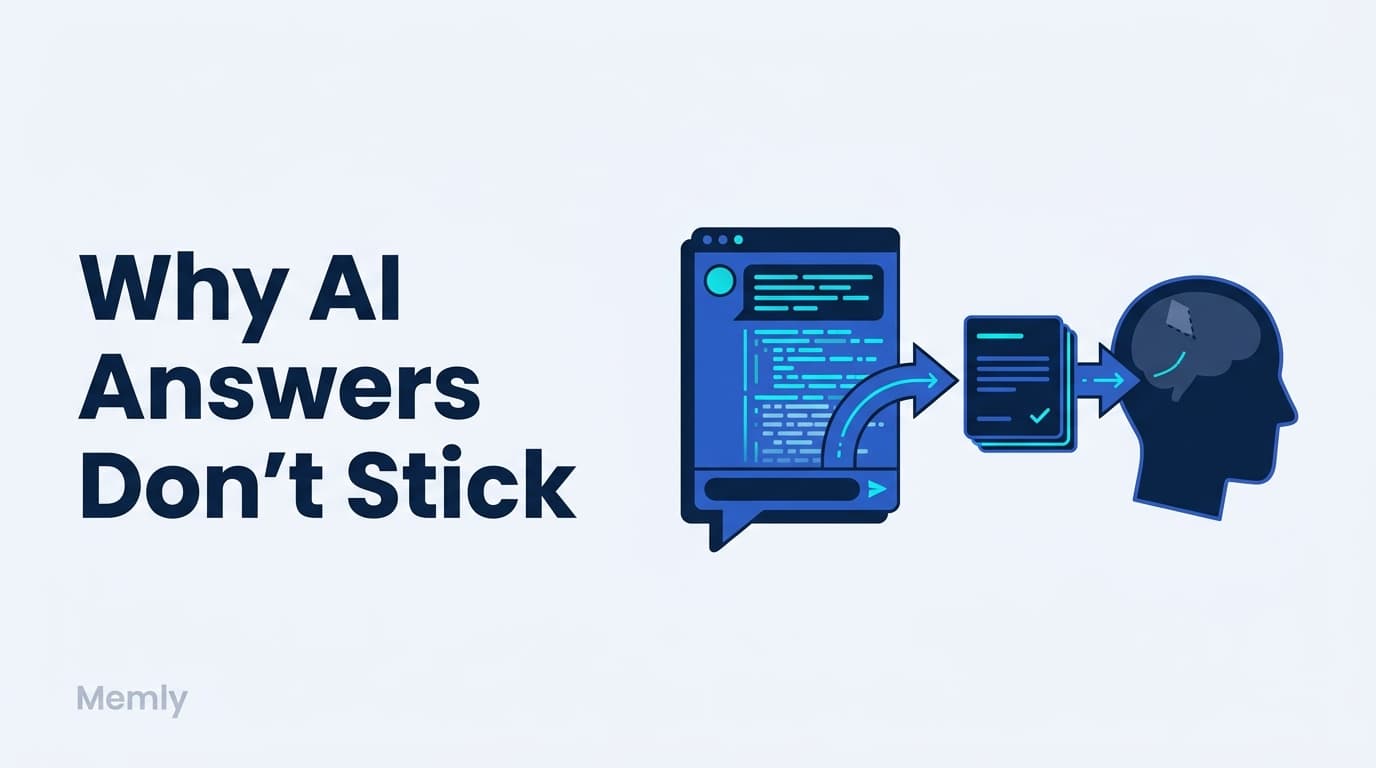
AI explains anything in seconds, yet a week later you can't explain it unaided. Why the fluency illusion is to blame, and the close-the-loop fix with flashcards.
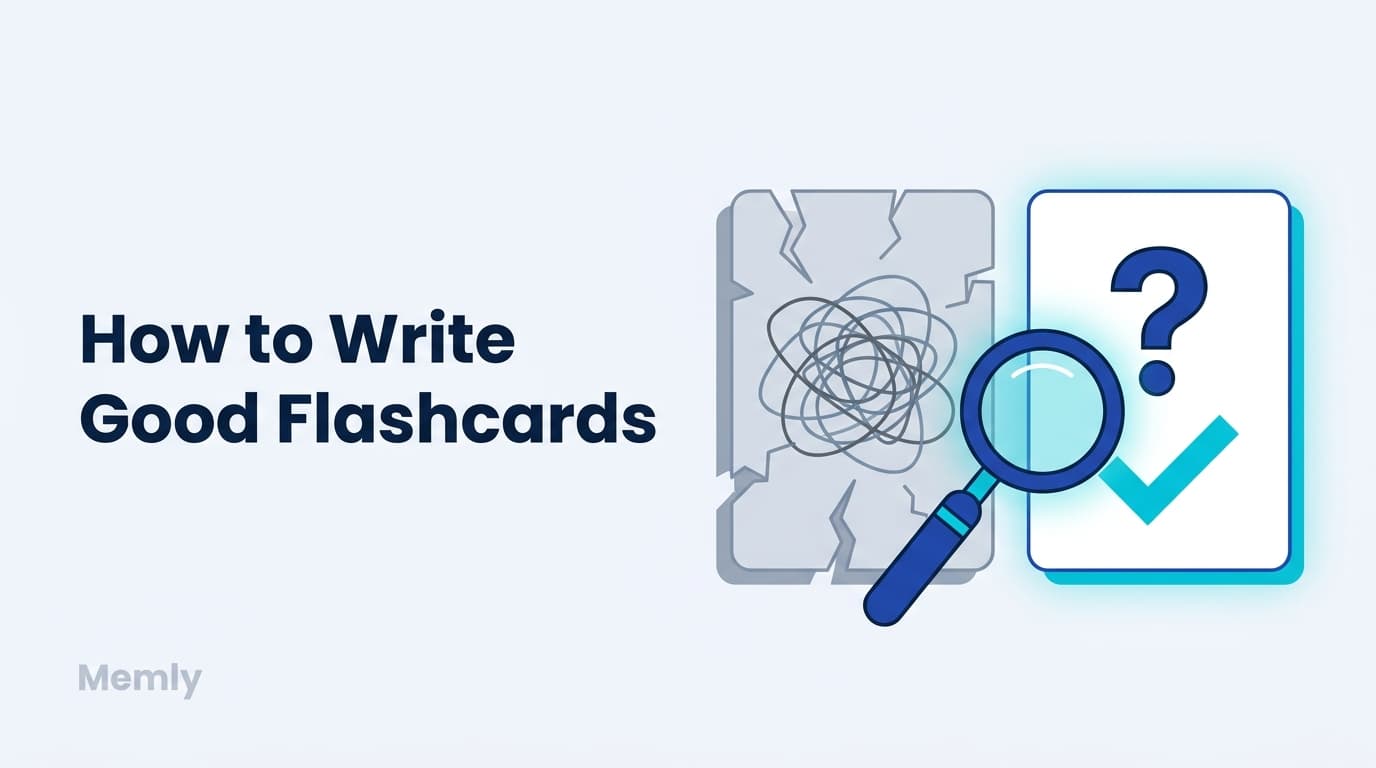
Same app, different results: the card decides. Six rules with before-and-after fixes, plus a one-minute quality check for AI-generated cards.
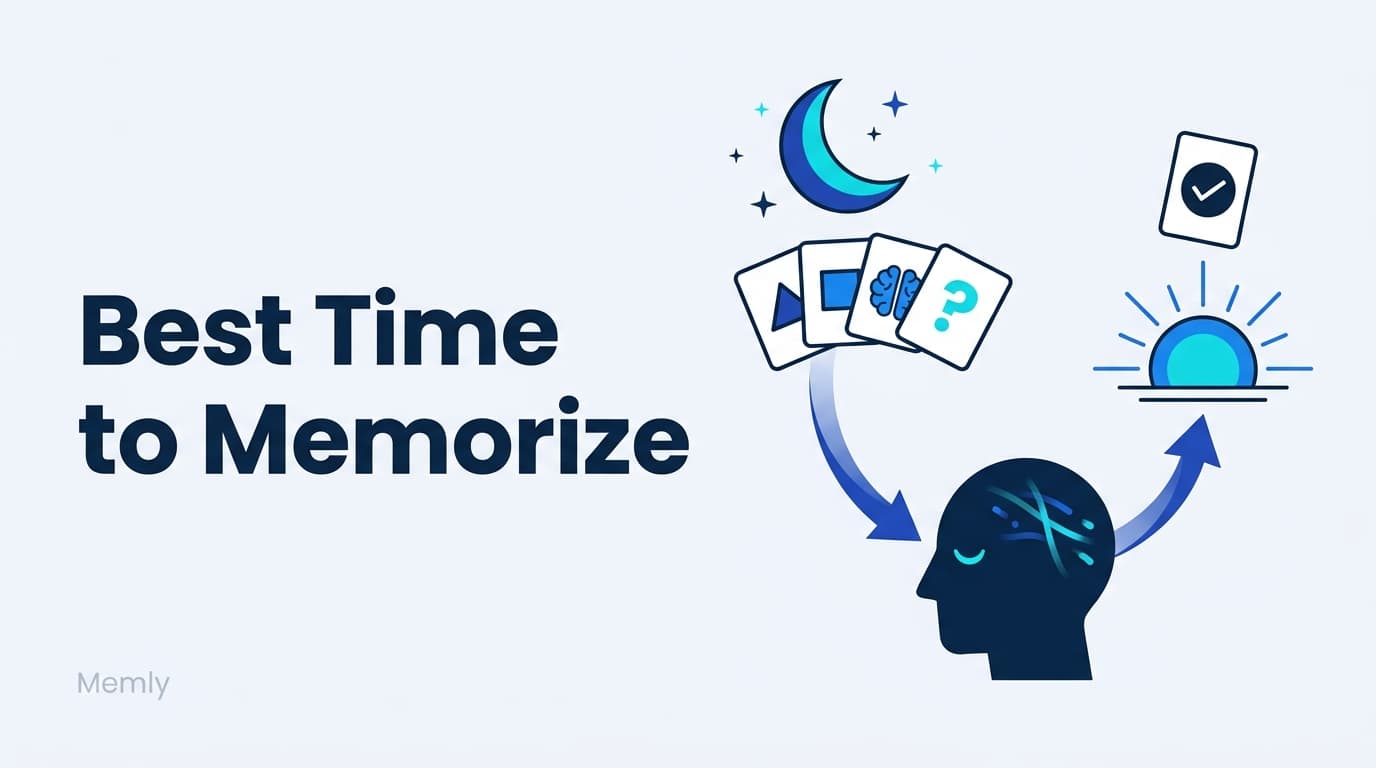
Choose a study time when you can focus without cutting sleep. Compare evening learning and morning recall, then plan spaced reviews.
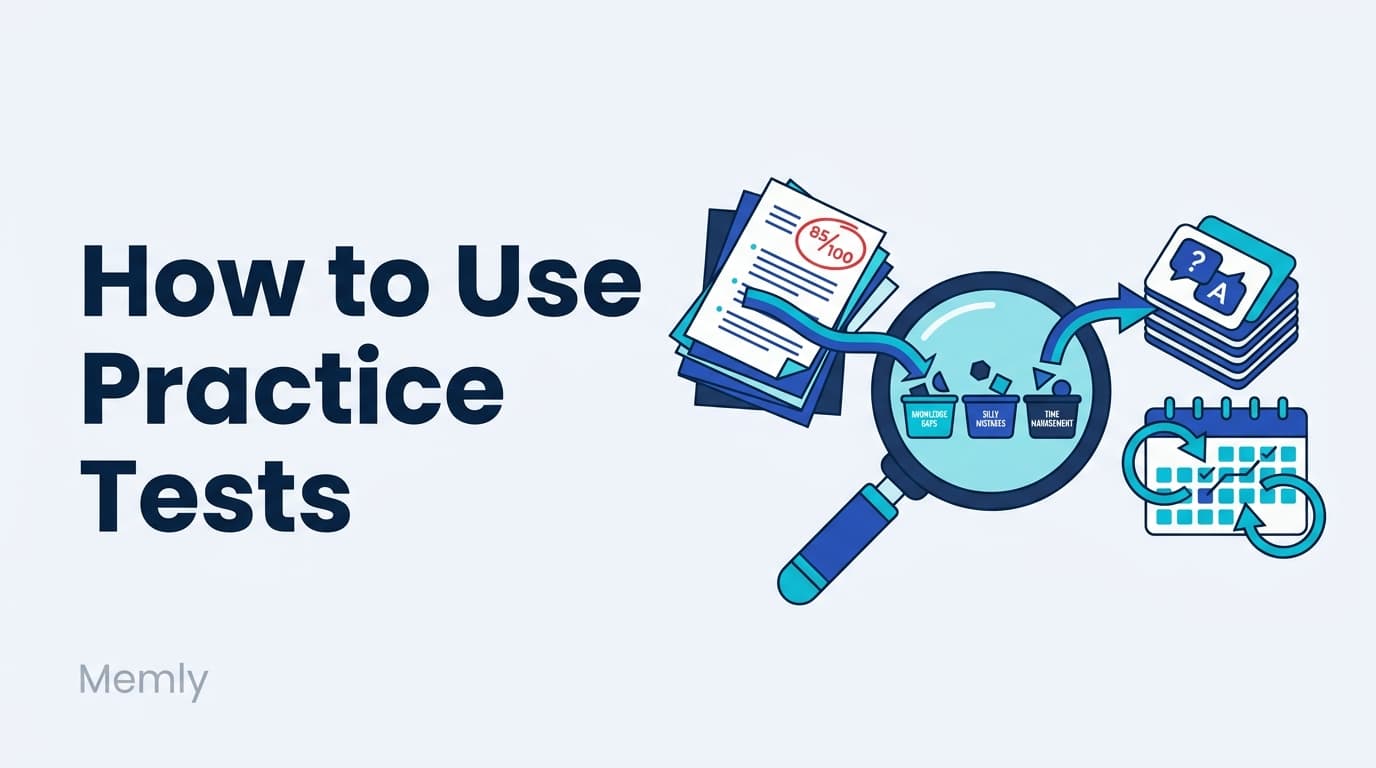
Practice tests are retrieval practice at its purest, but reading explanations is rereading in disguise. The five-step protocol that turns misses into memory.
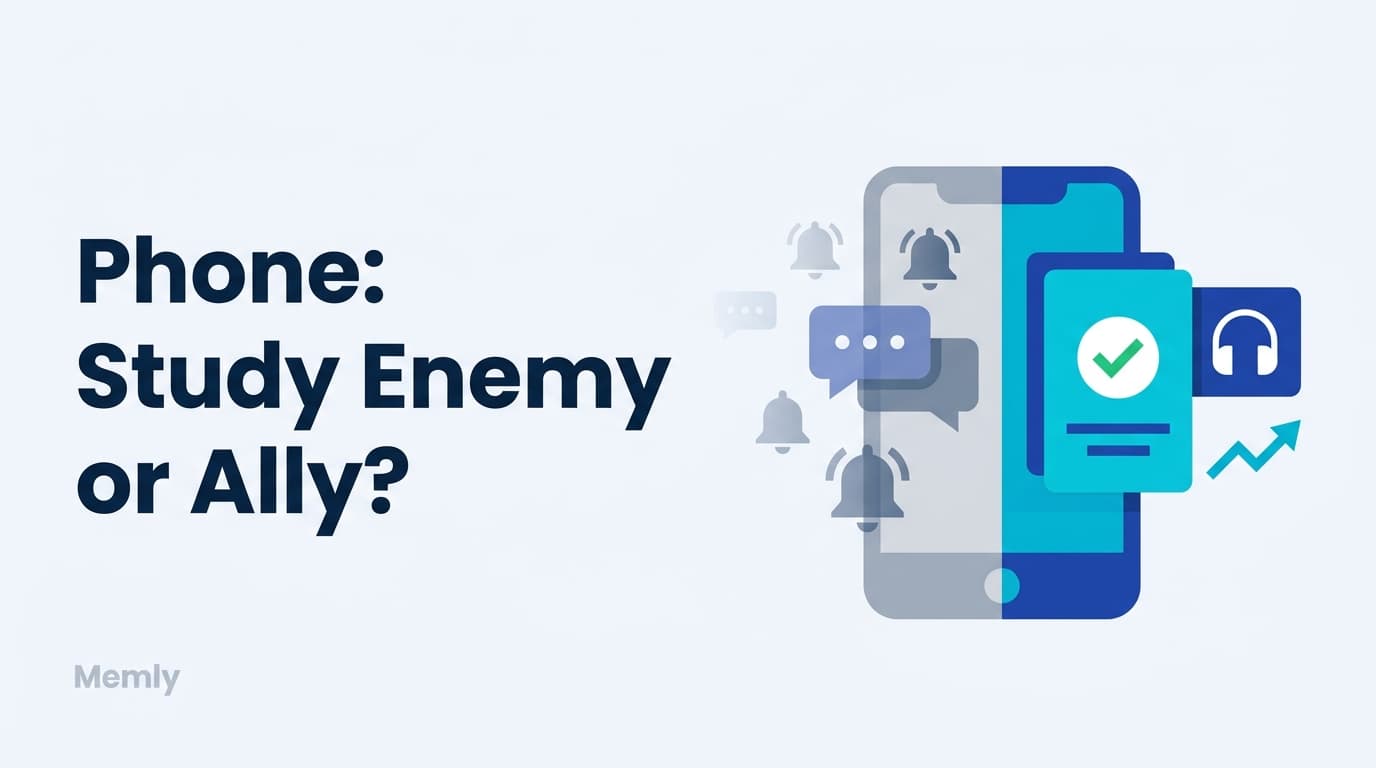
Your phone drains focus just by being visible. Guard deep study time with environment design, then turn the phone into a flashcard and audio-review machine.
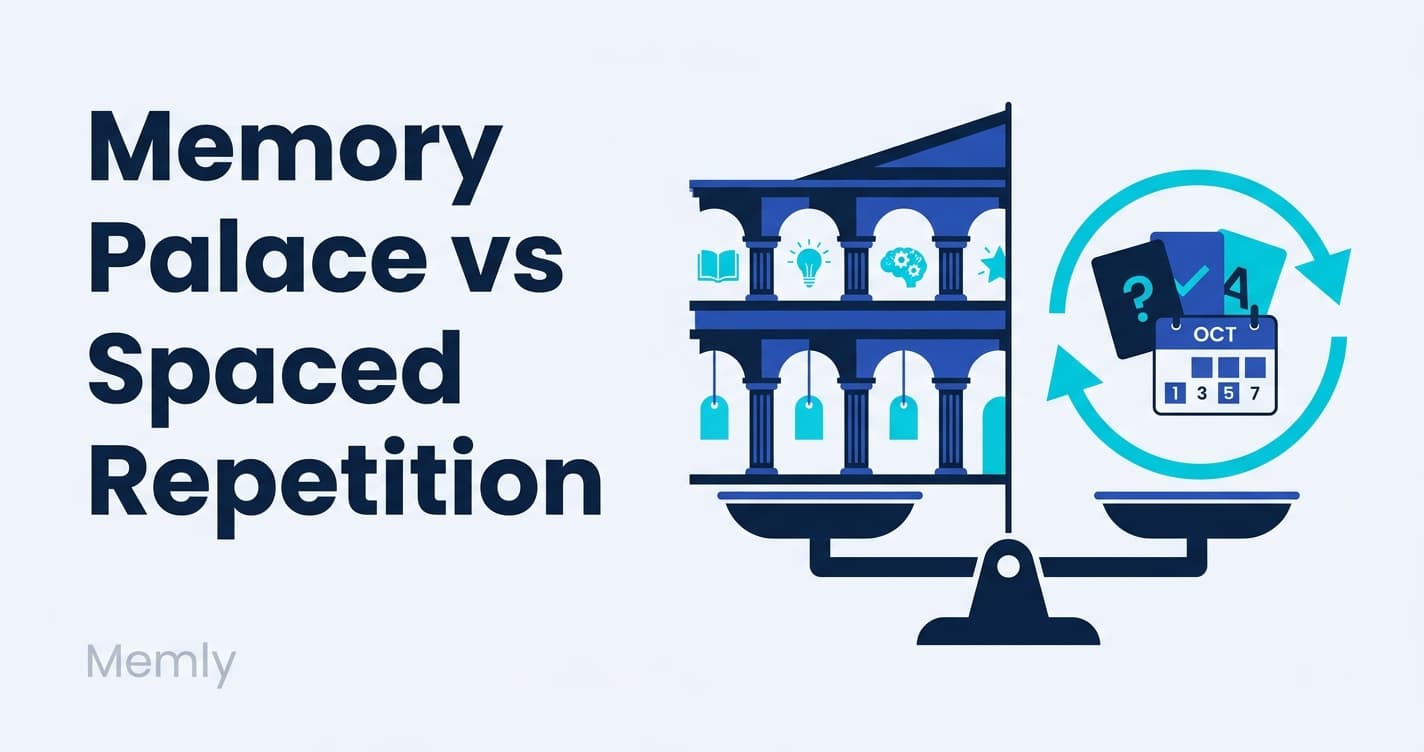
What the memory palace is genuinely good at, why spaced repetition carries exam prep, and the combined workflow: mnemonics for stubborn cards, FSRS for the rest.
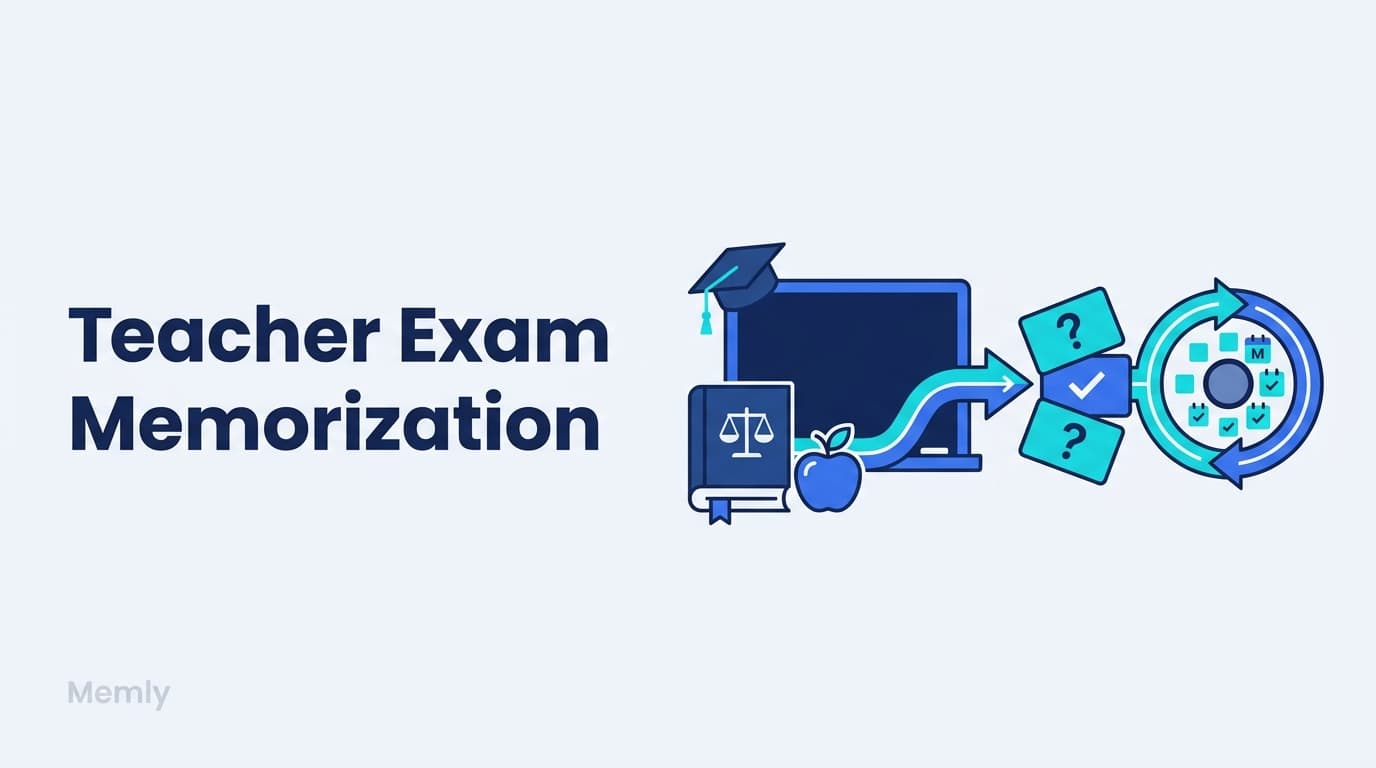
Certification exams are won by owning high-frequency domains, not reading cover to cover. Triage with past papers, card laws and theorists, maintain with FSRS.
If the hours are there but grades are not, your study time is mostly low-utility input. A five-question self-diagnosis and a retrieval-first restructure.
320 hours of summer studying can vanish by September. The two-phase 40-day plan: card everything same day, review 15 minutes daily, then switch to output.
Thousands of anatomy and pharmacology facts collapse under brute force. Structure by system, encode by mechanism, and let FSRS manage the review schedule.
Crammed memories vanish because consolidation happens during sleep. Why all-nighters evaporate within a week, and the narrow-recall-sleep protocol instead.
Struggling to memorize is a method gap, not a memory gap. The three principles that work: meaningful encoding, retrieval practice, and spaced review.
Three days before the exam and nowhere near done? Rereading is the fastest way to lose points. A day-by-day cram plan built on triage, retrieval practice, and sleep, with AI flashcards turning your textbook into recall practice in seconds.
Your lecture notes read like a stranger's by finals week. Capture notes or slide PDFs on lecture day, let AI convert them into flashcards, and review with spaced repetition. Ten minutes per lecture replaces the pre-exam all-nighter.
You read the chapter three times and remember nothing. That is not a bad memory; it is the fluency illusion. The science of recognition vs recall, the retrieval reading loop, and how spaced repetition turns reading into memory that lasts.
Microsoft CEO Satya Nadella's view on companies in the age of AI, in plain words: the learning loop, human capital, and token capital. Plus why you need your own learning loop, and how to build one with Memly.
AI agents made you more productive, but what you can do grew while what you are did not. AI extends your output, not your mind. Here is why learning with AI matters now, and how Memly turns your AI conversations into knowledge that sticks.
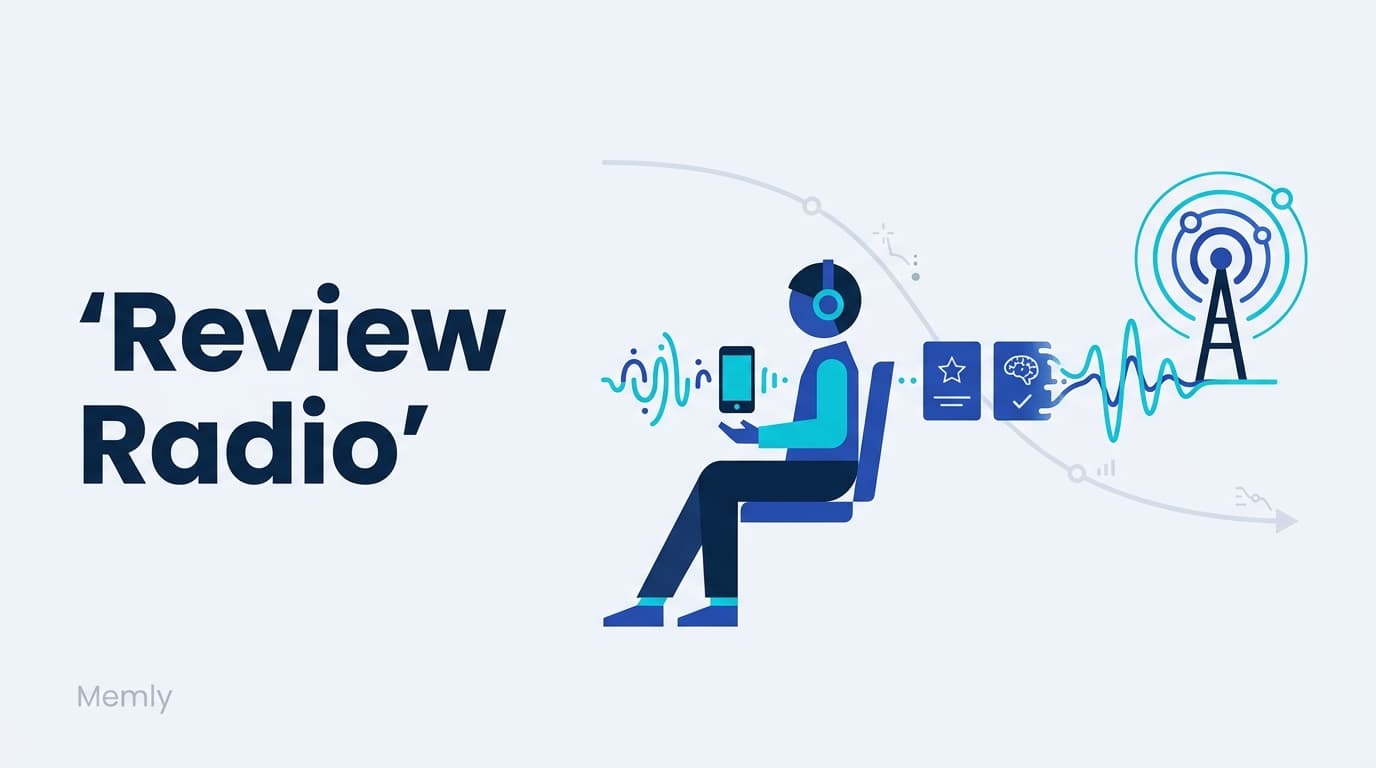
Memly's Review Radio turns your due flashcards into a hands-free, two-host audio podcast for your commute, walk, or workout. See how it works and how to use it.
Does audio learning work? Passive listening is weak, but audio with retrieval and spacing works. The science of active recall and the learning-styles myth.
Love NotebookLM's Audio Overview? It's great for understanding documents but not daily review. How a forgetting-curve study podcast complements it — use both.
The best flashcard app for med school in 2026: Anki, AnKing, Gizmo and AI-native FSRS alternatives compared for Step and boards memorization.
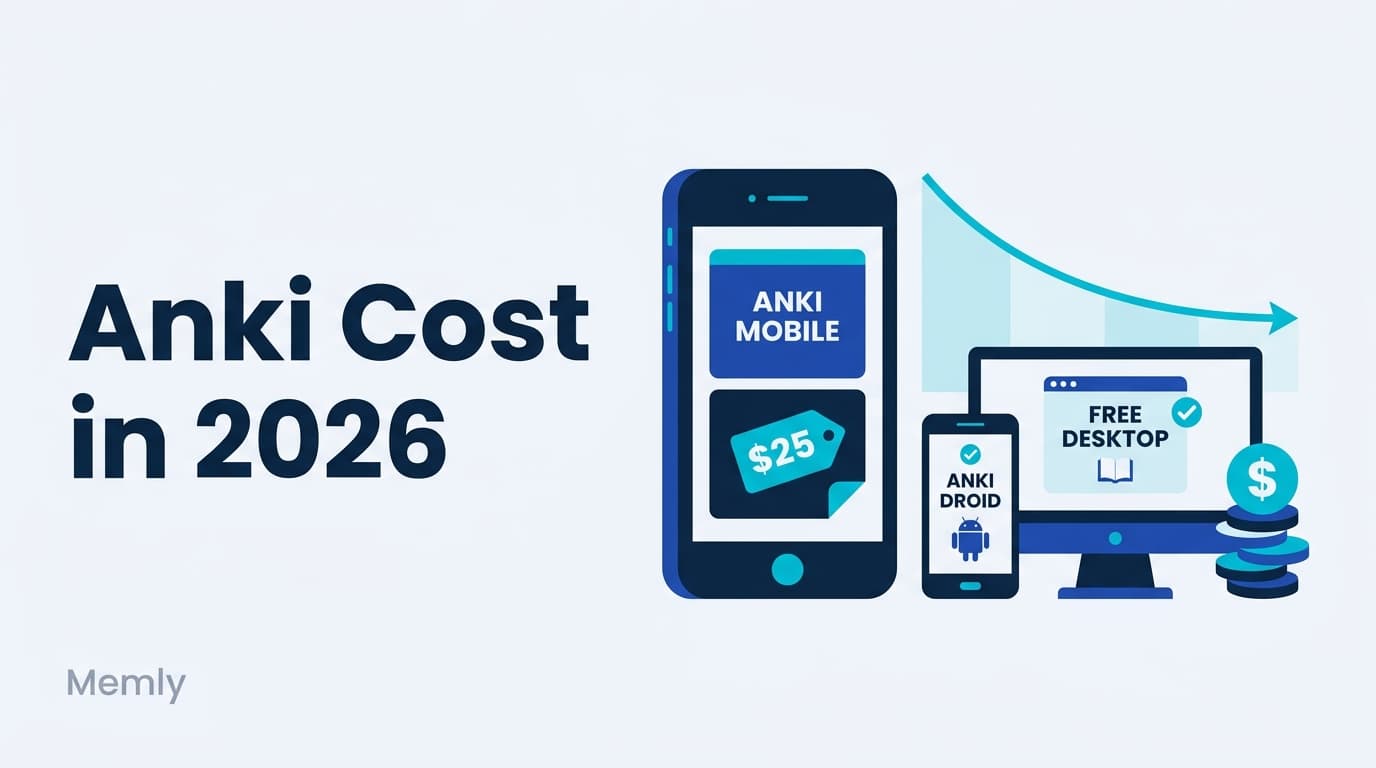
Anki cost 2026 explained: free on desktop and Android, ~$25 one-time on iPhone (AnkiMobile). See the real total cost plus a free AI alternative.
The best Anki alternative in 2026: 5 AI-powered flashcard apps compared on AI generation, FSRS scheduling, price, and who each one actually fits.
Learn how to make flashcards with ChatGPT that actually stick: the best prompts, exporting to Anki, and saving cards to a spaced-repetition deck.
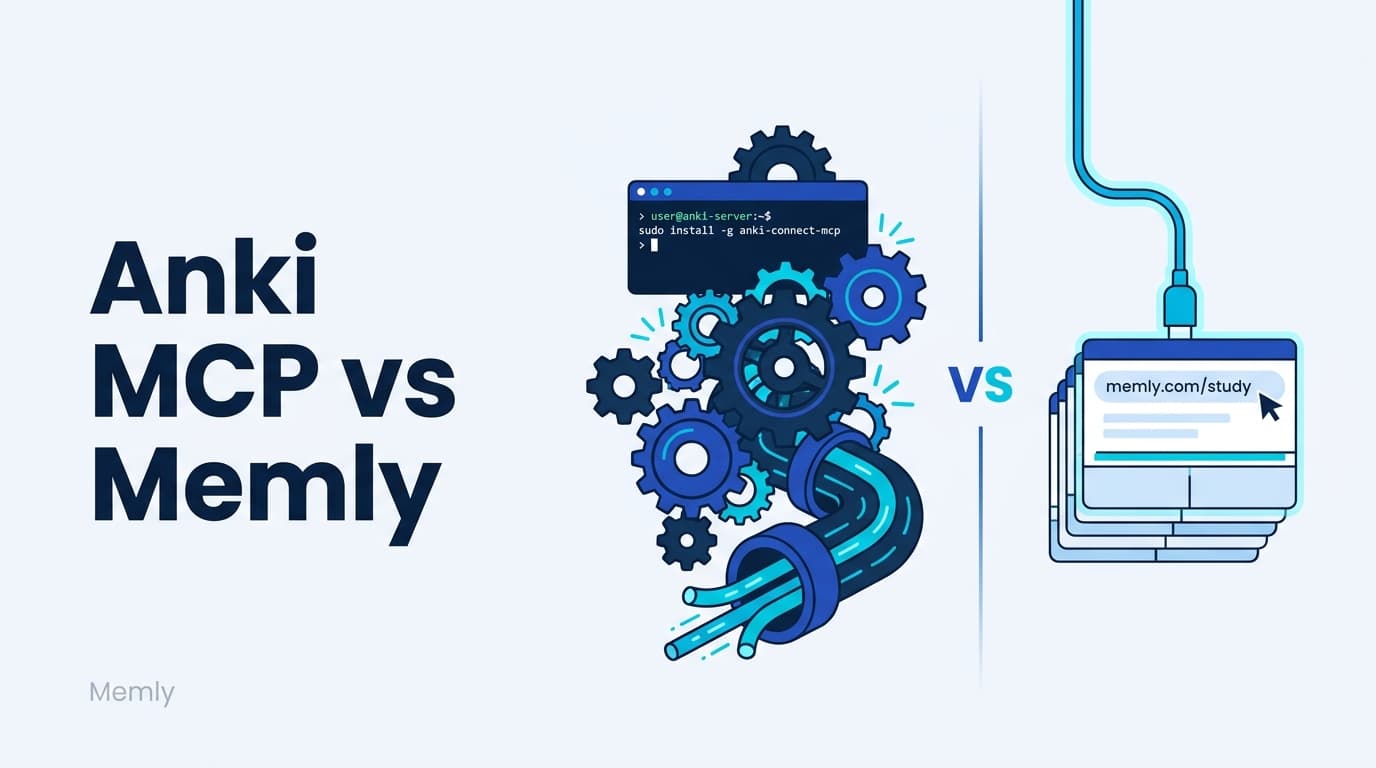
Anki MCP needs local Anki, AnkiConnect, and ngrok. Memly MCP connects Claude or ChatGPT with one URL. Compare setup, AI support, review, and pricing.
Cards you make in Claude or ChatGPT vanish when the chat closes. Memly MCP saves them into your deck and reviews with FSRS. Setup, free vs paid, and vs Anki MCP.

Apply BJ Fogg's behavior model to everyday study setup: prepare materials, choose a prompt, and make the first question easier to start.

Reviewing 'when you remember' or 'right before the exam' means losing about 70% of new information within 24 hours (Ebbinghaus). Cepeda et al. (2008) defined the optimal spacing lag (10-20% rule), Kornell & Bjork (2008) proved the spacing effect, and FSRS now adapts review intervals to each learner. We compare fixed 1-3-7-30 systems with FSRS-driven adaptive scheduling in Memly.

Perfectionism keeps study sessions from ever starting — research frames the delay as short-term mood repair (Sirois & Pychyl, 2013). It's three distinct failures: procrastination loops, rumination, and threshold-breach collapse. Learn the 80% Initiation Method built on Fogg's Tiny Habits and Kahneman's prospect theory — plus three Memly patterns for perfectionist learners.

Can't stick to studying? 68% of professionals abandon self-study within 3 months — and it's almost never willpower. 7 structural failures from Bandura, Lally, Cepeda research and 3 Memly continuation patterns to install tomorrow morning.

Lost motivation to study after a vacation? 62% of professionals experience post-break study burnout. Walker, Volkow, Bandura, and Fogg show you how to restart in 2 days using the 2-Minute Rule, implementation intentions, and a 3-day Memly protocol.

Too much to learn at a new job? 91% of new hires hit the 3-month wall. Science-backed 30/60/90/180-day framework, the emotional curve explained, and tools to compress the wall. Survive the new job overwhelmed phase.

Study during commute and reclaim 220 hours a year. Cepeda research shows 15-min distributed sessions beat 60-min cramming. Micro learning at work, spaced repetition for career, professional learning habits explained.

Can't remember things at work? 85% of professionals feel this way. 7 brain-science causes, 7 evidence-based solutions, age-by-age strategies, and tools that fix struggling to retain information at work for good.

How to remember work information using 7 evidence-based tips: active recall, spaced repetition, chunking, Feynman, sleep. Retain information at work and stop forgetting meeting decisions, acronyms, and processes.

New job memorization made simple: 5 brain-science strategies plus a 30/60/90 plan. Stop being the new hire who can't remember new job info. Onboarding learning tips for when you're struggling to retain everything at a new job.

A comprehensive comparison of the top 3 flashcard apps (Memly, Anki, Quizlet) across 5 key dimensions: AI features, algorithm, pricing, platform support, and usability. Includes a quick comparison chart.

Everything you need to know about AI flashcard apps: how they work, why they outperform traditional methods, the top 5 apps compared, and how to choose the right one. Backed by cognitive science research.

Quizlet vs Brainscape compared across 10 dimensions: AI features, algorithm, pricing, team learning, game modes, and more. Includes a side-by-side table and a better alternative you might not know about.

A deep dive into how AI flashcard apps generate cards, optimize review schedules, and personalize learning. Covers NLP, spaced repetition algorithms (SM-2 vs FSRS 6.0), and the forgetting curve.

A detailed 10-point comparison of Memly and Anki. Covering everything from AI auto-generation vs. manual creation and FSRS 6.0 vs. SM-2 to pricing differences. A must-read for anyone considering switching from Anki.

The best AI flashcard apps for students in 2026, ranked by AI quality, pricing, ease of use, and study features. Includes free options and honest pros/cons for each app.

Choose between Anki and Gizmo with a clear verdict, verified free-plan limits, an Unlimited checklist, and a comparison of card creation and review scheduling.

A thorough comparison of the top 5 AI flashcard apps in 2026: Memly, Anki, Quizlet, Brainscape, and RemNote. Features, pricing, and AI capabilities compared side by side. Free options included.

Quizlet alternatives: Knowt, Anki, Brainscape, Gizmo, RemNote and Memly compared on free plans, AI cards, scheduling and price (Oct 2026), plus moving sets. Also compares Memly and Quizlet across 10 categories: a data-driven guide for those looking for alternatives after Quizlet's paywall.

Practical strategies and success stories for using AI-powered memorization tools in exam preparation, covering TOEFL/IELTS, the bar exam, the MCAT, and the CPA exam. Includes subject-specific study strategies.

Learn how AI drafts flashcards and schedules reviews, what you still need to check, and how to compare tools for exams, languages, and work.

Five essential criteria for choosing an AI flashcard app, covering features, algorithms, pricing, platform support, and usability. Find the perfect app for your learning style.

A comprehensive comparison of traditional tools like paper flashcards, Anki, and Quizlet against AI-powered memorization. Data-driven analysis of why AI memorization is dramatically more efficient.

Memly uses FSRS 6.0 to estimate memory and schedule reviews. Learn how it schedules each card from that card's answer history.

Discover how Memly's flashcard learning system, combining cutting-edge AI with cognitive science, dramatically improves memory retention. A deep dive into the system and practical tips.

A curated selection of study methods backed by cognitive science research. Practical techniques to dramatically boost your learning efficiency.
Improve memory retention by 74% with AI flashcards. Get started for free today.
A weekly digest of new articles on the forgetting curve, memory techniques, and exam prep. Free, unsubscribe anytime.
No spam. Unsubscribe with one click.